
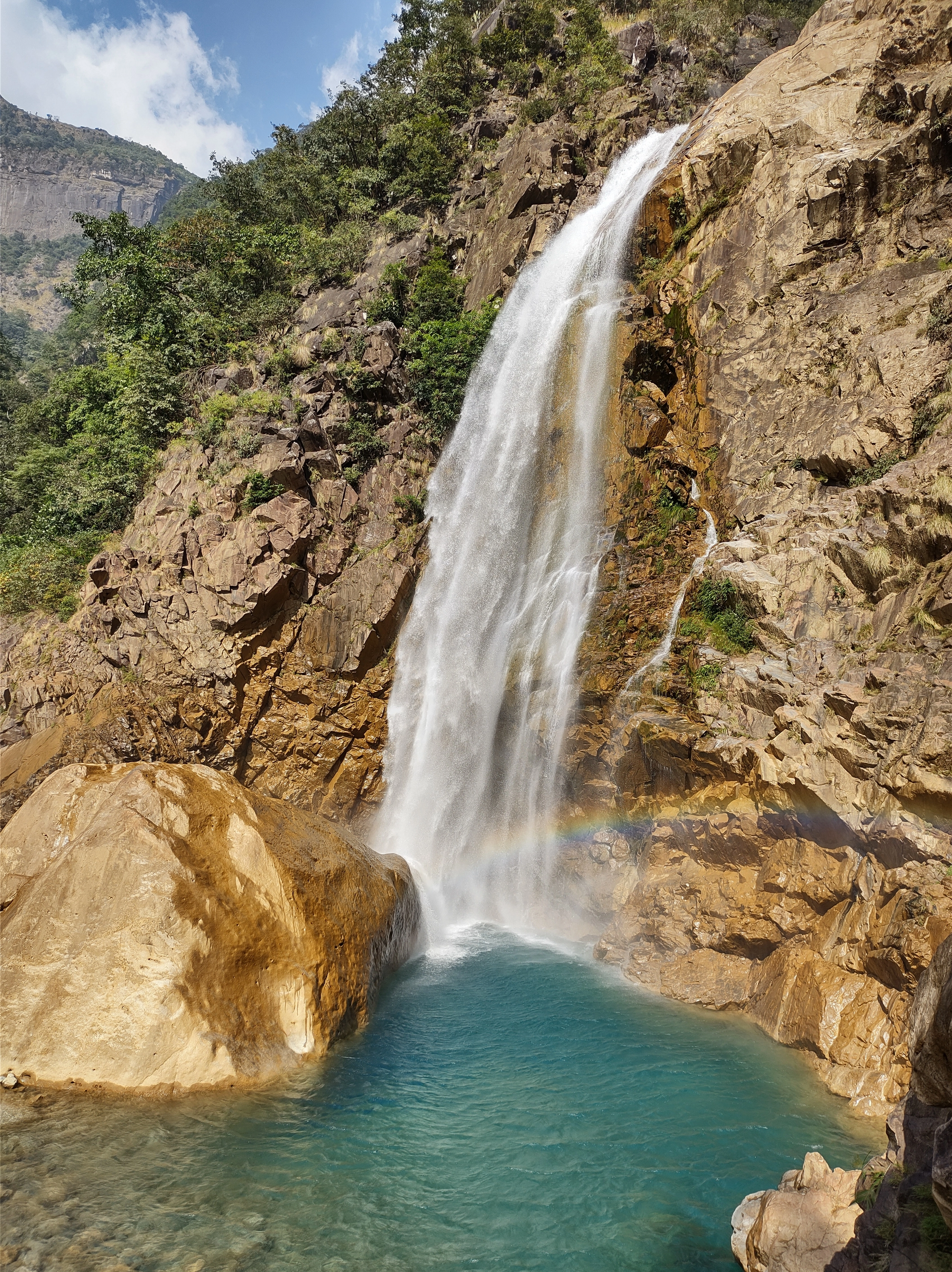
Somewhere along the way, travel became a performance.
Not deliberately. Not all at once. But gradually, the itinerary became the point. The photo became the evidence. The number of destinations covered in a week became the measure of a journey well spent. And the actual experience of being somewhere, of sitting long enough in a place to feel its particular rhythm, got quietly edited out.
Komorebi began as a response to that. Not a grand one. Just a quiet insistence that there is another way to move through the world.
What Gets Lost When Travel Moves Too Fast
A 6am alarm on day one is not inherently a problem. Early mornings in the Himalaya can be some of the most still and lucid hours you will spend anywhere. The problem is what the alarm is in service of: thirty minutes for breakfast, board the vehicle, reach the next location, photograph it, move on.
In a group of twenty, the logistics are the experience. The coordinating, the waiting, the moving en masse from one viewpoint to the next. The destination becomes a backdrop rather than a place. You pass through it but do not enter it.
Most people who have done this kind of travel know, somewhere, that something is missing. They come home with a full camera roll and a vague sense of having been efficient rather than present. The places visited have left impressions rather than memories.
Slow travel is not a trend or a marketing category. It is simply what happens when you give yourself enough time to actually be somewhere.
How Komorebi Approaches a Journey Plan
We design rhythms, not schedules.
The distinction matters. A schedule tells you where to be and when. A rhythm tells you how a day might unfold: a morning that begins without urgency, a road that opens into something unexpected by mid-afternoon, an evening that belongs to wherever you happen to have stopped.
Our journeys run longer than what the industry typically offers, and this is not incidental. A week is barely enough time to lose the habits of home, let alone find the quieter frequencies of a new landscape. The first two days of any journey are often spent decompressing. The interesting things tend to happen after that.
Deep Engagement Over Surface Coverage
We go to fewer places and stay longer in each one. Not because we are unaware of how much India contains, but because we understand that a village entered slowly, over two or three unhurried days, reveals things that a half-day stop never could.
The ancestral building traditions of Rumsu and Rangori, the Kathkhooni architecture that has survived centuries of Himalayan weather, become legible only when you have walked the lanes slowly enough to notice which walls are original and which have been patched. A rushed visit registers the aesthetic. A slow one registers the history.
Traveller's Curiosity, Not Tourist's Urgency
There is a real difference between a tourist and a traveller, and it has nothing to do with budget or experience level. It is about the quality of attention brought to a place.
A tourist arrives with expectations to confirm. A traveller arrives with questions to follow. At Komorebi, we design for the second kind of arrival. The journey plan leaves space for the detour that turns out to be the most memorable part of the journey. The schedule accommodates the conversation at the roadside tea stall that goes longer than planned. The route holds room for the kind of uncertainty that makes travel feel alive.
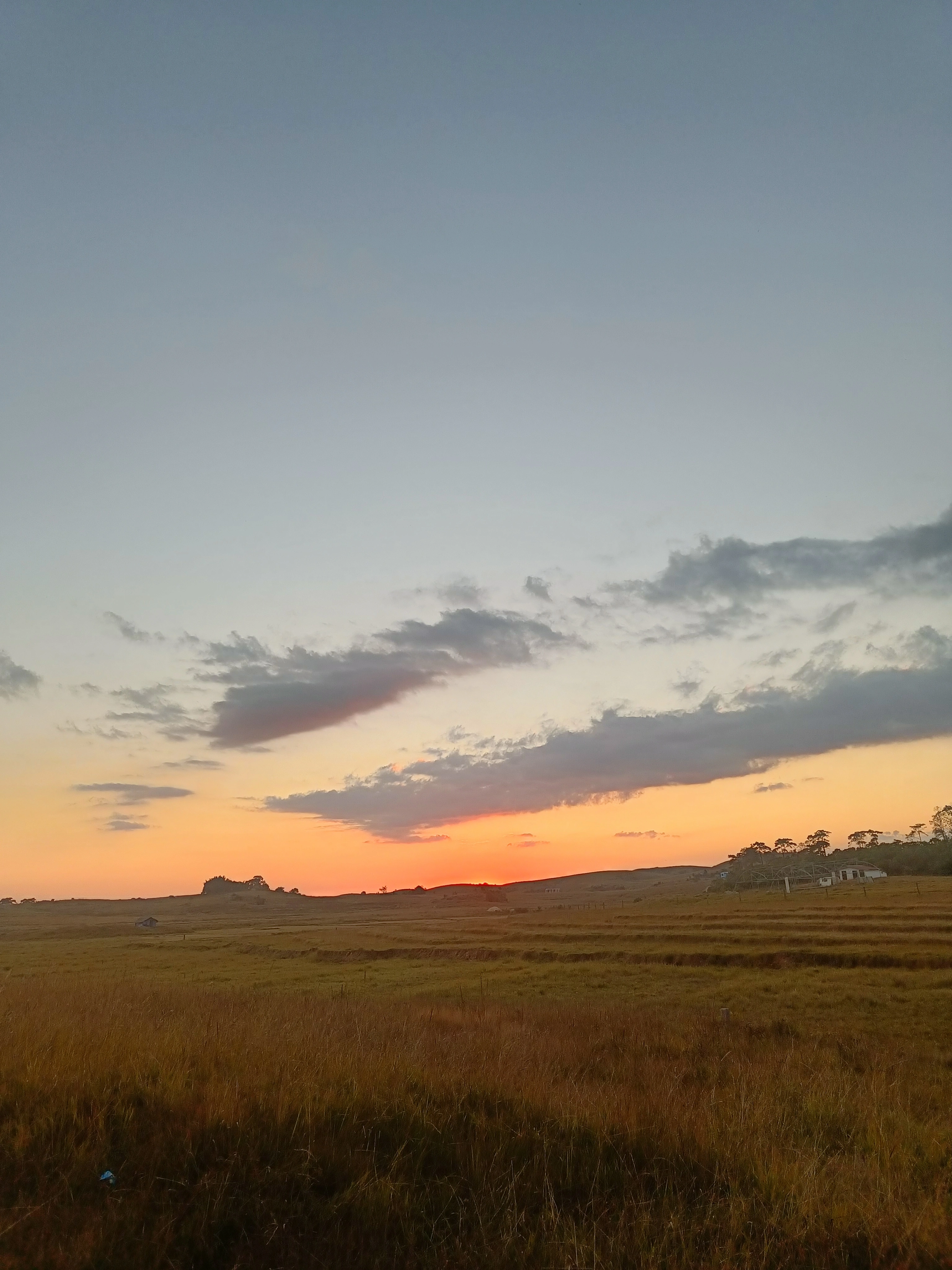
Where We Choose to Go, and Why
The question we begin with, for every destination, is this: where is the human intervention still quiet?
Not absent. Places entirely untouched by the modern world are rare and often not what travellers actually need. What we look for are the places where the old rhythms are still intact, where local life has not yet been reshaped entirely around the logistics of visitors.
These places exist. They require some effort to find and some care in how you move through them.
- Rumsu and Rangori, Kullu Valley Villages where the Kathkhooni wooden architecture is not a museum exhibit but a living built environment. Where local deities still have their houses and the calendar of festivals shapes the year.
- Sethan and Sarahan, Himachal Pradesh Sethan sits above the Manali noise in a bowl of pine and open meadow. Sarahan holds a temple that has been standing longer than most Indian cities. Neither appears on the standard Himachal journey plan. Both stay with you.
- Sepi, West Bengal Borderlands A village at the edge of India where the music crosses into Nepal and back again, where the food carries the memory of two cultures living in proximity for generations. The kind of place that rearranges your sense of what India is.
- Mawphlung and the Khasi Sacred Forests, Meghalaya The Komorebi effect, the name we take from the Japanese word for sunlight filtering through trees, is most literally visible here. A forest that has been protected by the community for centuries, where the light does something specific in the mornings that is difficult to describe and easy to remember.
- Laitlum and Nongjrong, Meghalaya The canyon viewpoints of Meghalaya that most travellers to Shillong do not reach. Mornings here are a particular quality of quiet.
- Spiti Valley and the Upper Kinnaur Circuit The high-altitude transition from the green folds of the inner Himalaya to the stripped, mineral landscape of the Trans-Himalayan desert is one of the more quietly dramatic drives in India. Our Winter Path and Summer Odyssey circuits are designed to follow this transition at a pace that allows it to register properly.
The Ten-Person Design
Every Komorebi road journey moves with a maximum of ten travellers and a dedicated Journey Host.
The group size is a design decision. At ten people, a convoy can stop where a crowd cannot. A question asked at dinner actually gets heard and answered. Someone going quiet on day three does not go unnoticed. The group is small enough to have a collective texture, a shared language that builds over days of moving through unfamiliar landscapes together.
A Journey Host is not a guide in the conventional sense. They are not there to deliver information at volume. They are there to hold the pace, to know when to let a morning run long and when the road needs covering, to be the thread of continuity that gives the group its shape.
This combination, ten people, one host, a route designed for depth over coverage, is the structure that makes everything else possible.
On Returning Differently
There is a particular kind of exhaustion that comes from fast-paced travel. The kind where you need a holiday to recover from your holiday. The 6am alarms, the constant movement, the accumulation of sights that blur into each other by day five.
Komorebi journeys are designed against that outcome.
Because we move slowly, there is space in the days for something other than logistics. The conversation at a shared table that goes somewhere real. The hour spent watching a village market without needing to be anywhere else. The quiet that settles in the back of the vehicle on a long mountain drive, a quiet that is not boredom but something closer to rest.
These are the in-between moments. They are not what appears in the journey plan. They are, in our experience, what stays.
Frequently Asked Questions
Is slow travel in India suitable for first-time travellers?
It is well suited to them. Slower itineraries give first-time travellers the time to find their footing in a place rather than being pulled immediately to the next one. The smaller group size also means the experience feels supported rather than overwhelming.
How long should a slow travel itinerary in India be?
Komorebi circuits typically run between eight and twelve days. This is the minimum duration needed for a place to begin registering as more than a sequence of images. Some regions, particularly Spiti and the Northeast, are designed as longer circuits for this reason.
Are Komorebi destinations crowded?
We choose destinations specifically because they sit outside the main circuits of mass tourism. Group size is capped at ten. Both of these are deliberate choices, not incidental ones.
What kind of accommodation does Komorebi use?
Komorebi uses cozy, comfortable homestays and small heritage properties that reflect the character of the region. Not the same hotel brand you would find in any city. Places with a particular quality of hospitality that belongs to where they are.
Is slow group travel suitable for solo travellers?
Most Komorebi travellers come alone. The group composition and booking policy are both designed to ensure that solo travellers feel genuinely included rather than peripheral from the start.
What does "slow travel" actually mean in practice?
Slow travel means fewer destinations, longer stays, and mornings that are not scheduled from the first hour. It means having time to return to the same street twice because something caught your attention. It means the journey has room to surprise you.
The Komorebi Perspective
We do not approach India as a collection of destinations to be covered. We approach it as a set of living landscapes, each with its own pace and logic, each requiring a different quality of attention.
Komorebi designs small, thoughtfully paced journeys that let you meet a region on its own terms. The planning, the route, the stays, the hosts: these exist so that the traveller does not have to think about the infrastructure of travel at all. The only work required is presence.
We are not trying to show you how much India contains. We are trying to give you the space to actually see the part you are in.
When was the last time you returned from a journey knowing a place, not just its landmarks? That is the question Komorebi begins with. The journeys are our attempt at an answer.
Komorebi is a slow-travel design studio running small group road journeys across India. Circuits are capped at 10 travellers and designed for those who want depth over distance.
Continue reading: the ethics of offbeat travel, why some departures stay tiny, what a Journey Host changes, and why certain trips stay with us.