
Inclusions & Exclusions
Inclusions
- Transfer: Delhi ISBT – Delhi ISBT
- Meals: 16 in total
- Accommodation: 08 nights
- Room sharing: Triple sharing
- Permits and entry fees
- Journey Host
Exclusions
- Lunches and personal meals not mentioned above
- Any additional local transportation not specified in inclusions
- Anything which is not mentioned
Experience overview
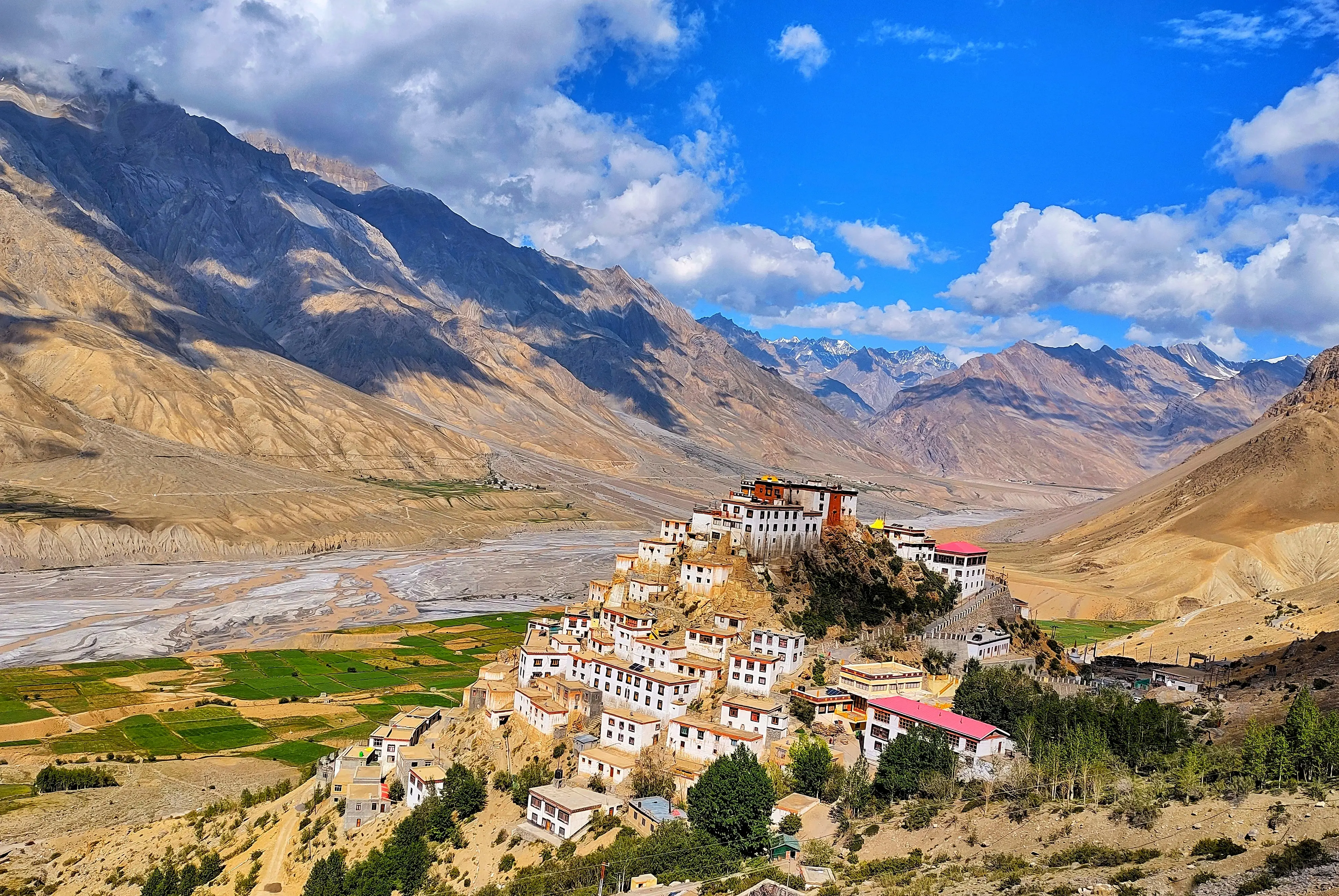
The Spiti Full Circuit is the definitive summer journey: Shimla to Manali in one unhurried loop. We start with Sarahan and Chitkul for gradual acclimatization, then Nako, Tabo, Dhankar, and Kaza: monasteries, fossils at Langza, Komic, Hikkim, Key Monastery, and Kaza's cafés. We cross Kunzum Pass to Chandratal, camp under the stars, then descend via Batal (and the legendary Chacha Chachi Dhaba) to Manali and Delhi. Crisp days, cold nights, Milky Way skies. No rush. Just the full Spiti experience.
Prefer a different rhythm? Compare the six-day Spiti Short Circuit or experience the valley on our Winter Spiti journey.
Who this journey is for
- People who prefer slow travel and the full circuit over shortcuts
- Curious about culture, monasteries, and high-altitude landscapes
- Comfortable with flexible days and basic stays
- Want depth, not rush, and a proper Shimla-to-Manali completion
Not ideal for fast-paced sightseeing or tight schedules.
A glimpse of the flow
We don't do rigid day-by-day plans. Here's the rhythm.
Arrival phase
Night departure from Delhi. Sarahan, Chitkul: valley gateways and acclimatization.
Middle phase
Nako, Tabo, Dhankar, Kaza. Fossils, monasteries, café hopping. Key Monastery. Kunzum and Chandratal.
Closing phase
Moon Lake, Batal, descent to Manali. Return to Delhi with the circuit complete.
The group experience
We keep groups small, 4 to 10 people, on purpose. Shared meals become conversations. You get to know each other and the place. There's space for silence and for connection. No crowd, no rush. Just a circle of travelers moving at the same pace.
Practical information
- Physical level: Moderate (high altitude, some driving on mountain roads)
- Travel style: Relaxed, slow
- Accommodation: Homestays and local stays; camp at Chandratal
- Climate: Sunny days (15–20°C), cold nights (3–5°C; near zero at Chandratal). Layer up.
- Support: Experienced team and local drivers. We're with you throughout.
Visual memory strip
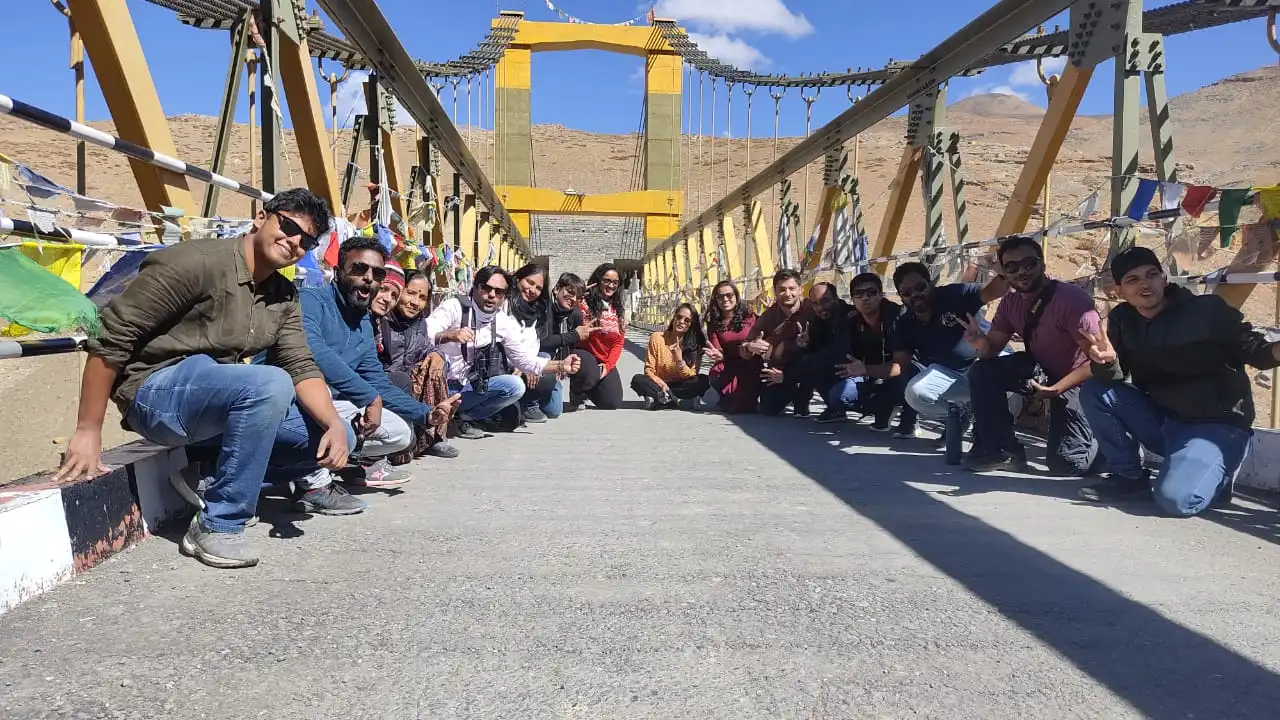
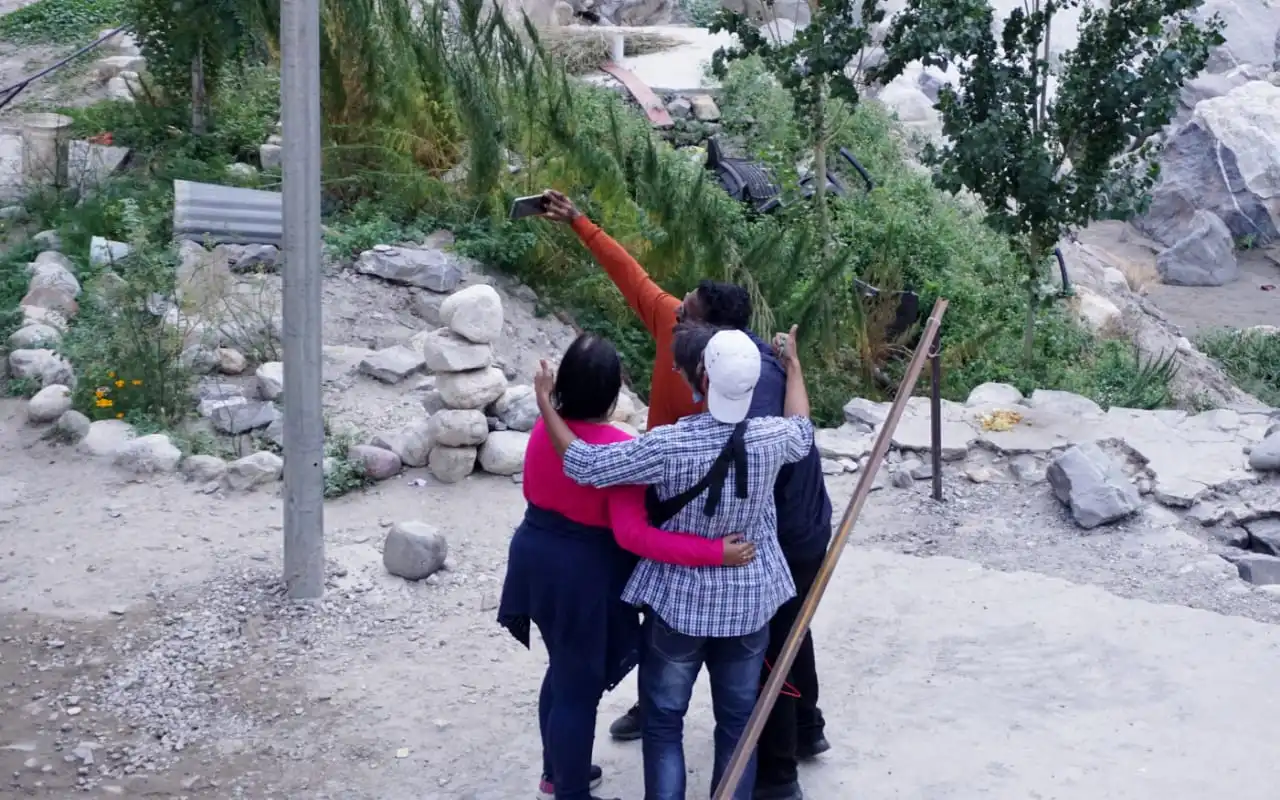
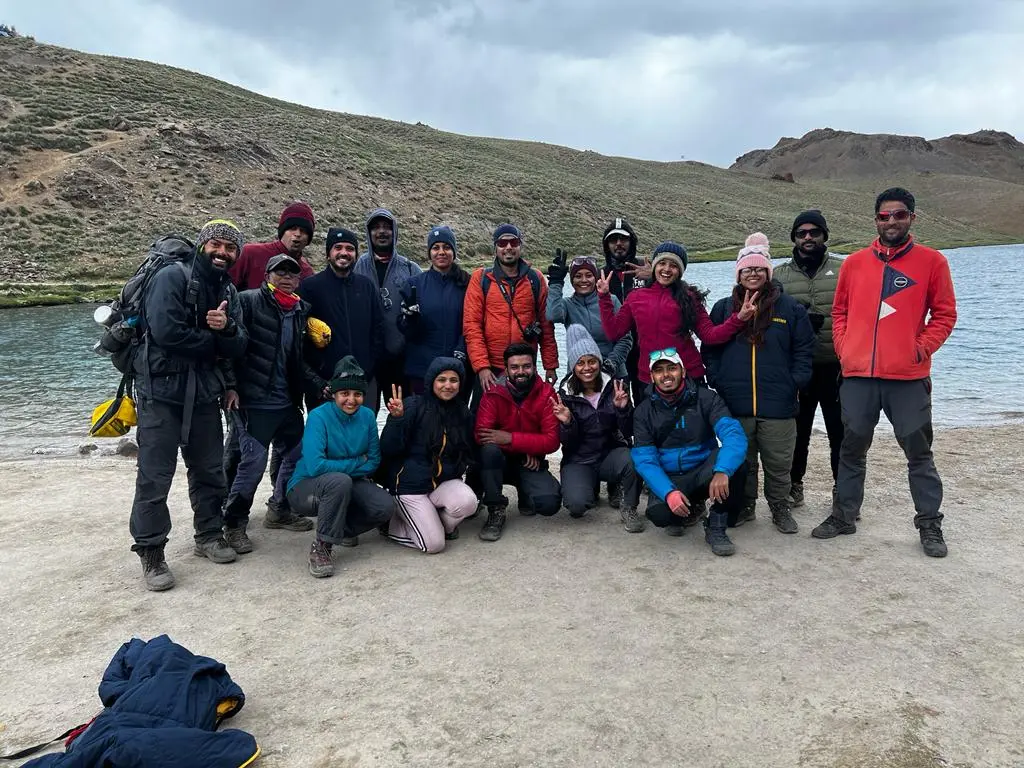
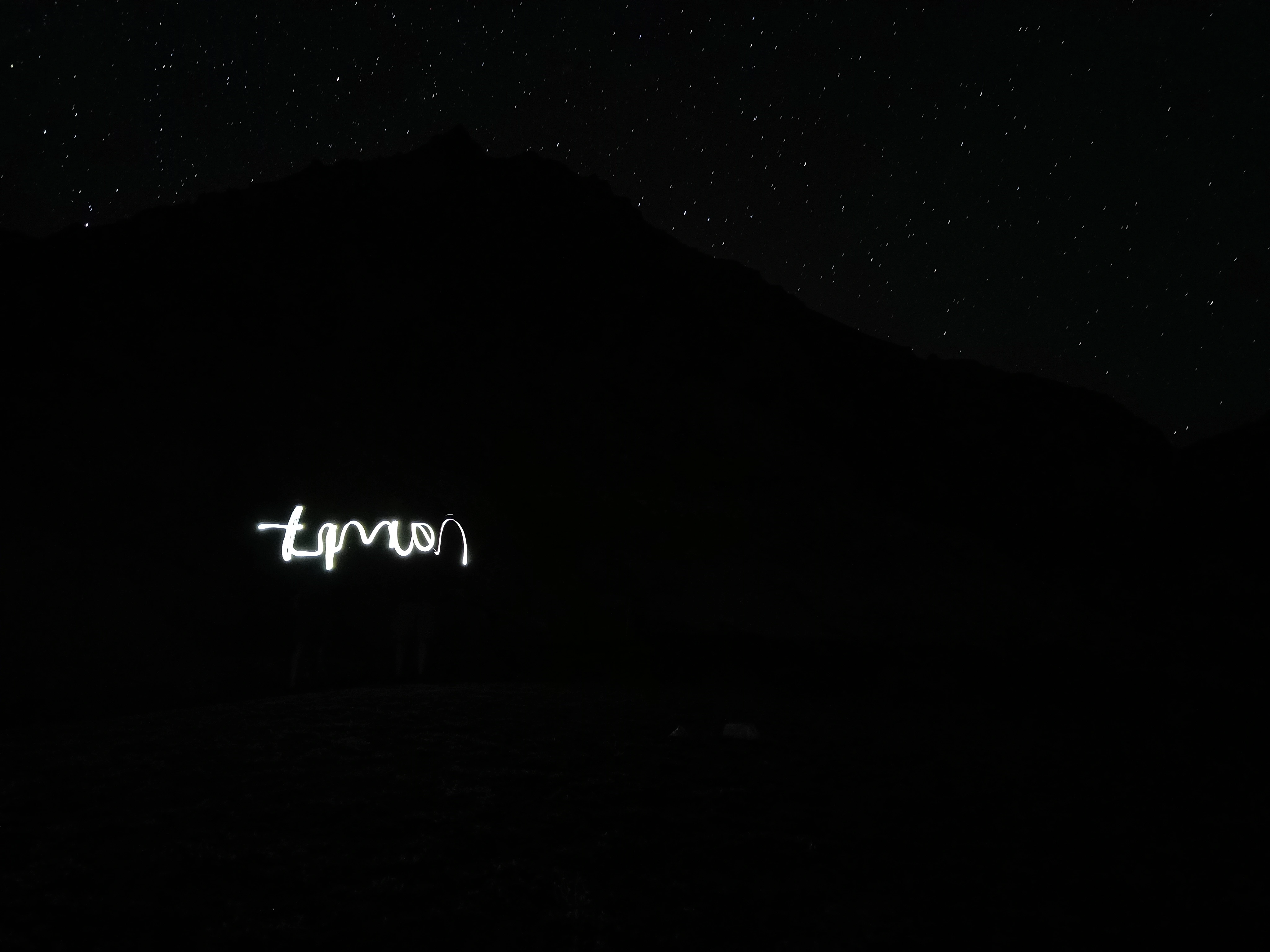
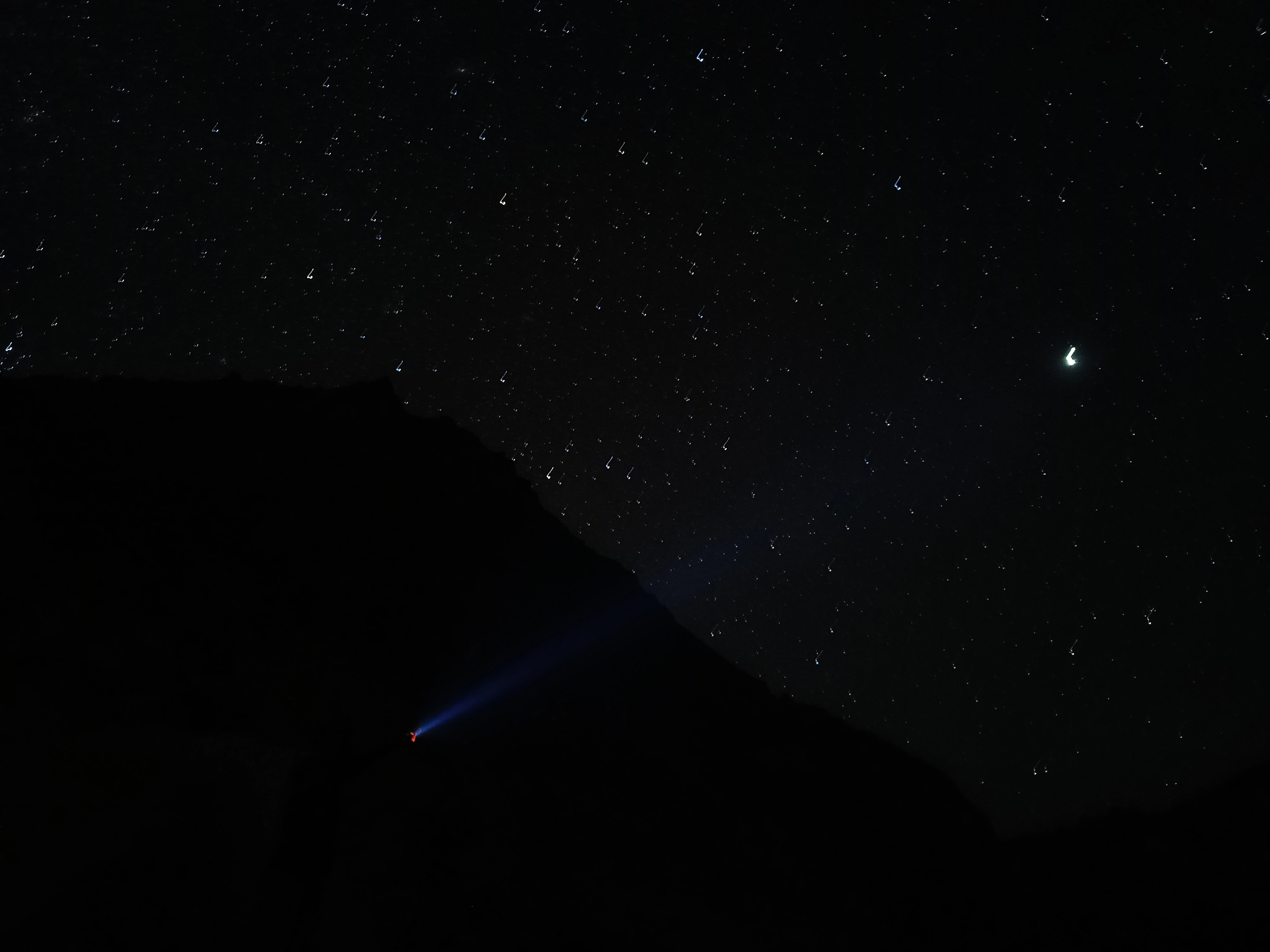
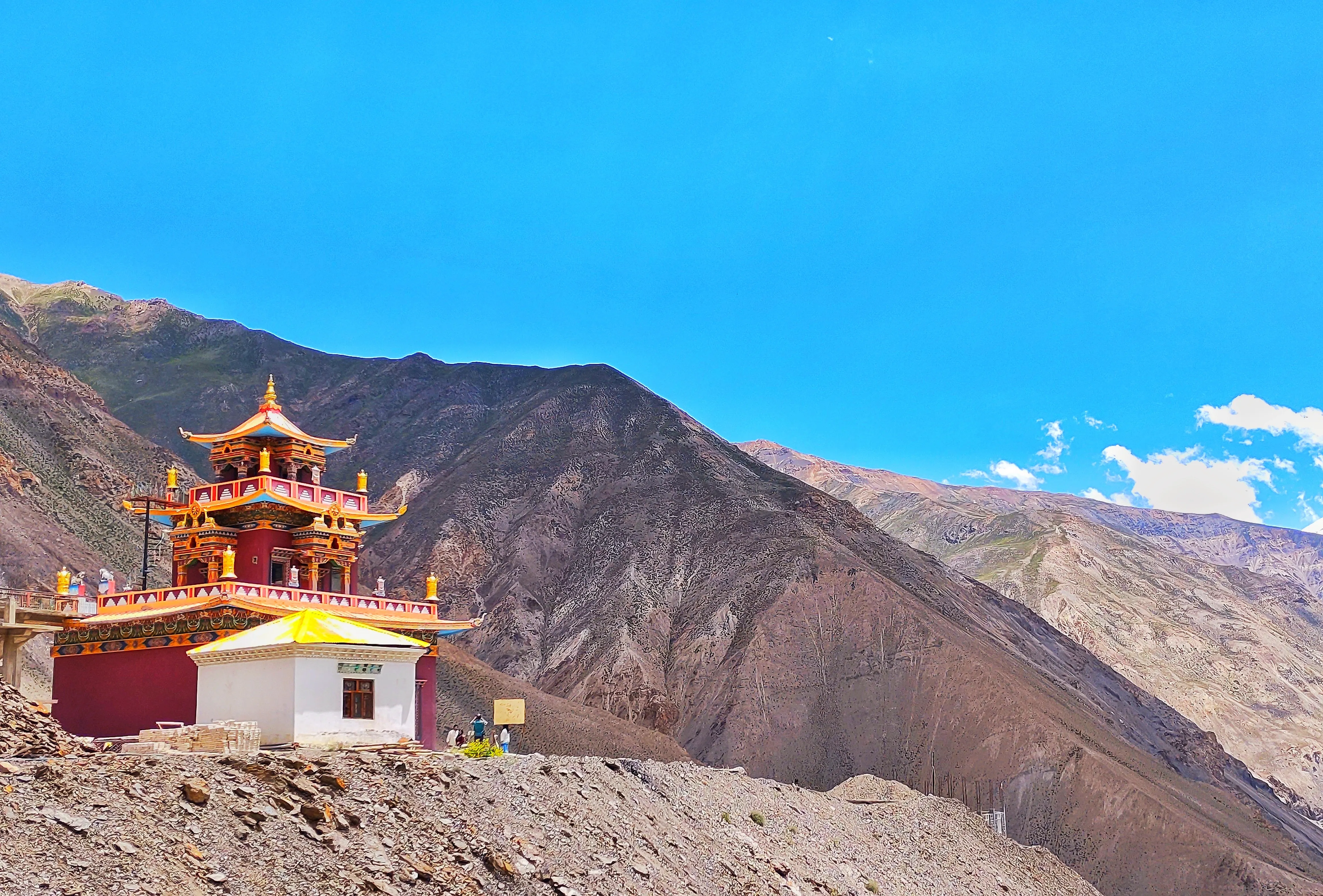
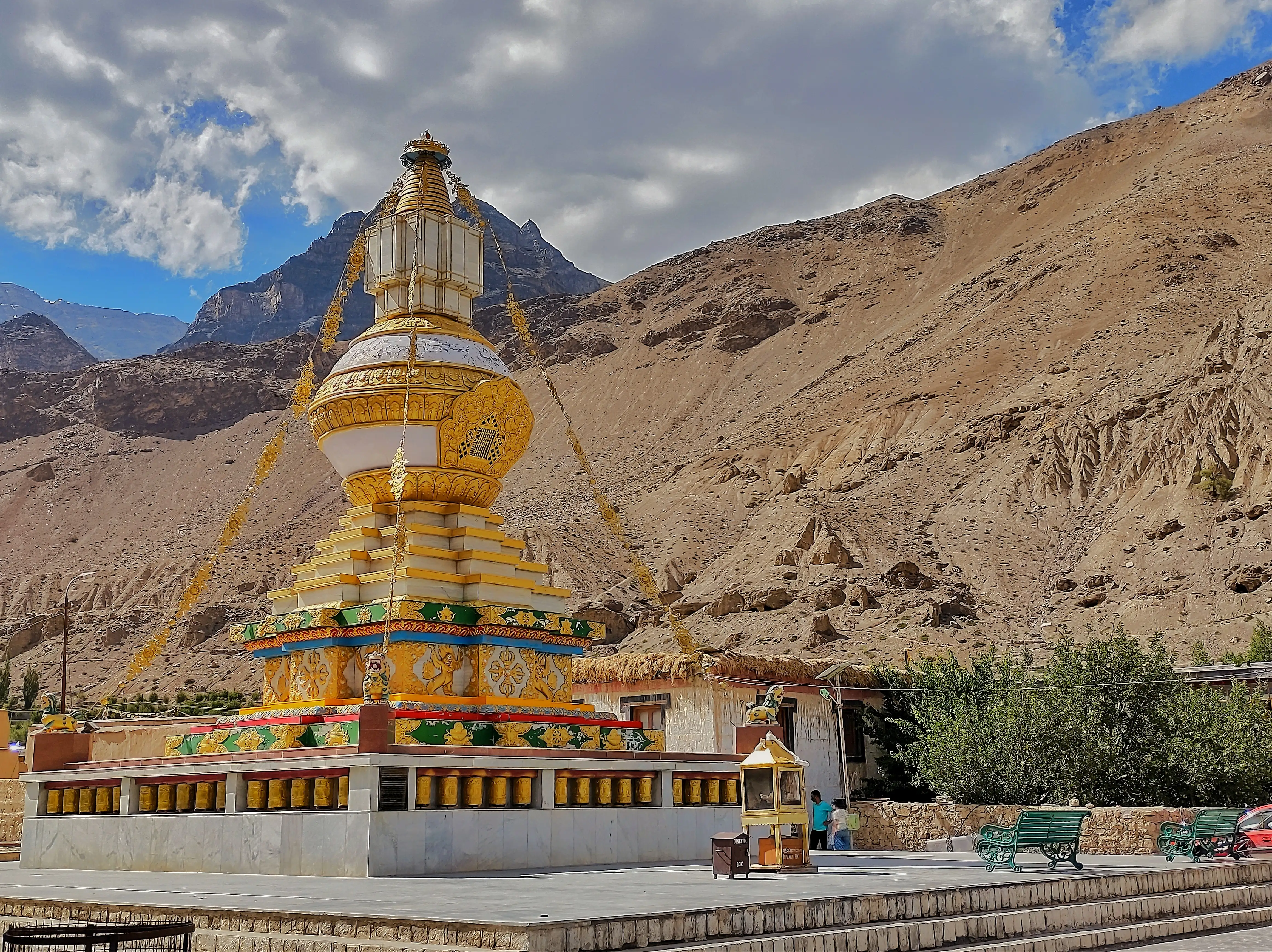
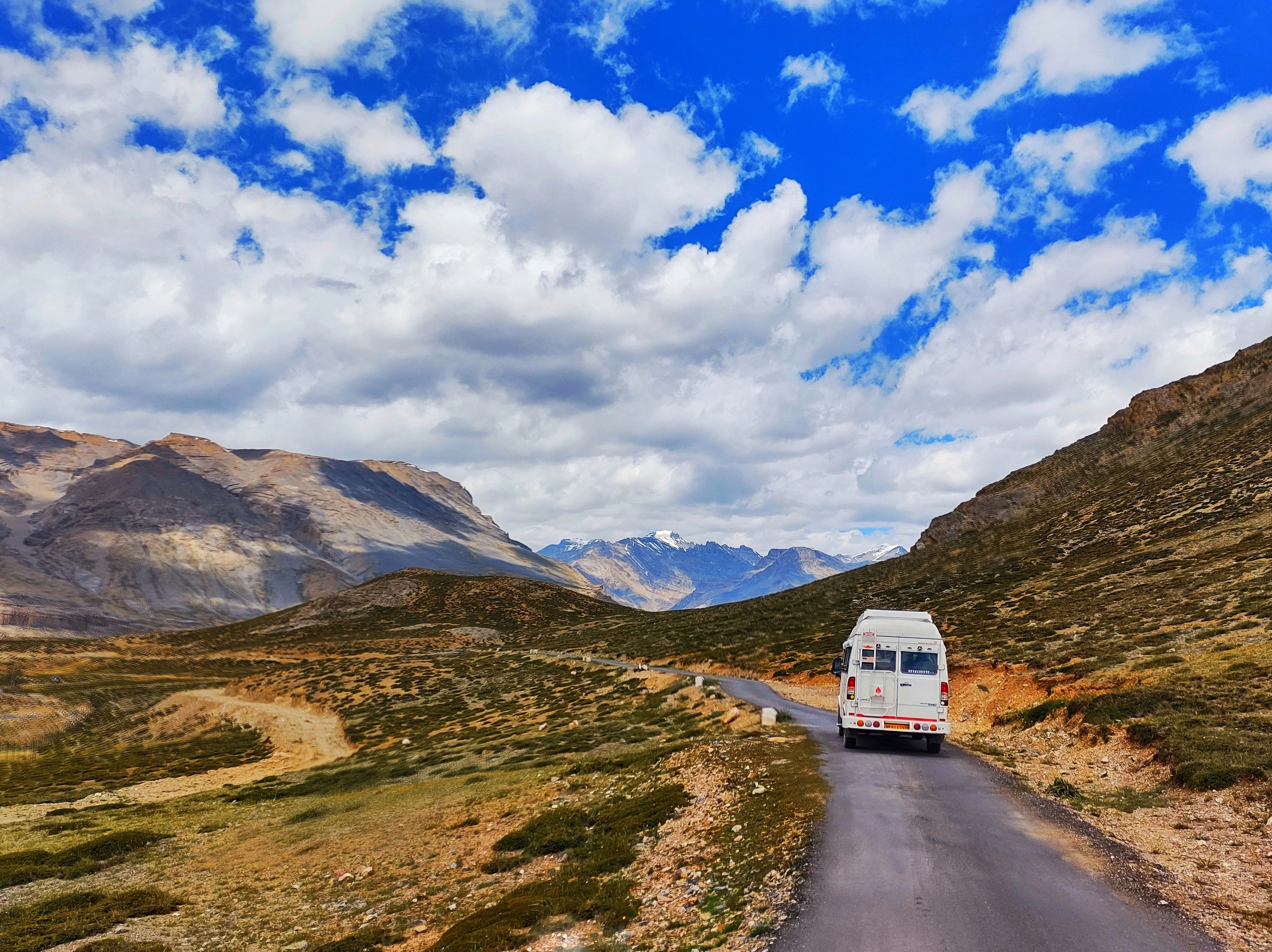
Real moments from the road: people, food, landscapes, small details.
Join the waitlist
View all journeys · Join waitlist
Related reading: why slower travel works in Spiti.
Itinerary
- Day 0: Overnight Mountain Transit | Delhi to the Himalayan Gateway
- Day 1: Ancient Temple & Orchard Visit | Sarahan Heritage & Bhimakali Temple
- Day 2: Riverside Village Stroll | Kamru Fort & The White Plains of Chitkul
- Day 3: Scenic River Confluence & Lake View | Khab Sangam to Nako Village
- Day 4: Ancient Monastery Tour | Nako to the 1000-Year-Old Tabo Heritage
- Day 5: Cliffside Fortress Exploration | Dhankar Monastery & Scenic Drive to Kaza
- Day 6: Highest Village Road Journey | Fossil Hunting in Langza, Komic & Hikkim
- Day 7: Iconic Landmark & Cafe Culture | Key Monastery & Kaza's Local Flavors
- Day 8: High Mountain Pass Drive | Crossing Kunzum Pass to Chandratal Lake
- Day 9: Lake Side Walk & Himalayan Descent | Chandratal to Manali & Return Transit
- Day 10: Early Morning Arrival | Seamless Return to Delhi
Summer Spiti Full Circuit: FAQs
Why is the Shimla-to-Manali route better for a Spiti summer journey?
Because it lets your body acclimatise gradually. Starting in Sarahan and Chitkul at lower altitude before climbing to Kaza and Chandratal (both above 14,000 ft) sharply lowers your risk of acute mountain sickness (AMS). Doing the loop Shimla to Manali, rather than rushing up from Manali, is the safer and more scenic direction.
What is the weather like in Spiti during the summer months?
Summer days (June to September) are sunny and mild, around 15°C to 20°C, but nights turn cold fast, dropping to 3°C to 5°C, and near 0°C at Chandratal. It is a high-altitude desert, so pack in layers rather than for one temperature.
Can I see the Milky Way and stars clearly in Spiti?
Yes. Spiti is one of India's best places for stargazing and astrophotography. With high altitude and almost no light pollution, you can see the Milky Way with the naked eye on clear nights, especially at Nako, Kaza, and Chandratal.
What is the Chacha Chachi Dhaba mentioned in the itinerary?
It is a legendary roadside dhaba in Batal, run by a couple known as Chacha and Chachi, who have sheltered and fed stranded travellers through Himalayan snowstorms for over 40 years. We stop for their hot dal chawal and to pay respect to one of the mountains' great stories of hospitality.
Is there a mobile network or Wi-Fi available in Spiti?
Barely, and that is part of the appeal. BSNL and Jio work in Kaza, but Chitkul, Nako, and Chandratal are mostly dead zones with no signal or Wi-Fi. Download maps and finish urgent work before you leave Kaza, then enjoy the digital detox.
What should I pack for the Summer Spiti Full Circuit?
Pack for strong sun and cold nights:
- Sun protection: high-SPF sunscreen, lip balm, and polarised sunglasses
- Layers: thermals, a fleece, and one heavy down jacket for Chandratal nights
- A reusable water bottle: staying hydrated is the best defence against altitude sickness
- Sturdy walking shoes: choose good grip for monastery and village trails