
Inclusions & Exclusions
Inclusions
- Transfer: NJP Railway Station – NJP Railway Station
- Meals: 10 in total
- Accommodation: 05 nights
- Room sharing: Triple sharing
- Permits and entry fees
- Journey Host
Exclusions
- Lunches and personal meals not mentioned above
- Any additional local transportation not specified in inclusions
- Water activities and life jackets fees
- Anything which is not mentioned
Experience overview
Misty Foothills & Heritage: A deep dive into the Himalayan foothills, wandering through heritage tea estates where life moves at the pace of a falling leaf. This is for those who find a Darjeeling package too hurried.
Who this journey is for
- People who want a non-trekking mountain experience
- Curious about tea heritage and valley life
- Comfortable with gentle walks and layered weather
- Want depth and calm, not a packed Darjeeling itinerary
Not ideal for strenuous trekking or fast-paced sightseeing.
A glimpse of the flow
We don't do rigid day-by-day plans. Here's the rhythm.
Arrival phase
NJP to Sepi via the Srikhola River. Settle in. Forest trails and bamboo groves.
Middle phase
Valley descent to Bijanbari. Squash walks, riverside picnics. Immersion in the fruit basket of Darjeeling.
Closing phase
The Queen's shadow: Bijanbari to Old Darjeeling. Final descent to NJP. Carry the mist back with you.
The group experience
We keep groups small, 4 to 10 people. Shared meals, shared paths. You get to know each other and the place. There's space for silence and for connection. No crowd, no rush.
Practical information
- Physical level: Light (gentle walks, no strenuous trekking)
- Travel style: Relaxed, slow
- Accommodation: Tea estates and local stays
- Permits: Forest entry near Sepi; we handle arrangements. Carry Govt ID.
- Support: Experienced team. We're with you throughout.
Visual memory strip
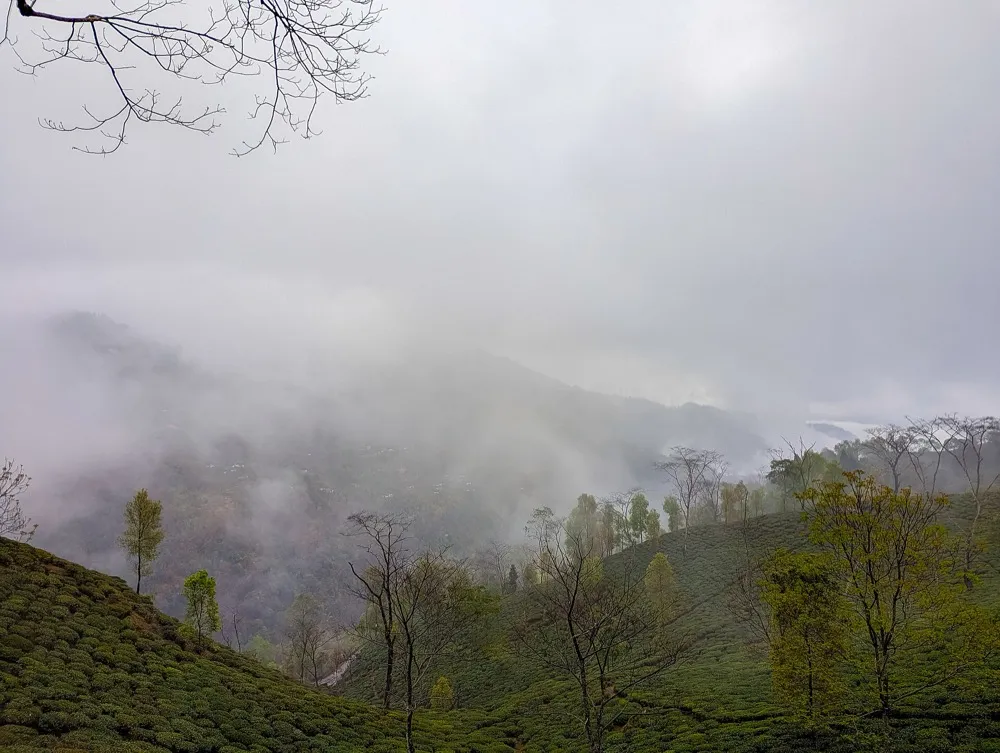
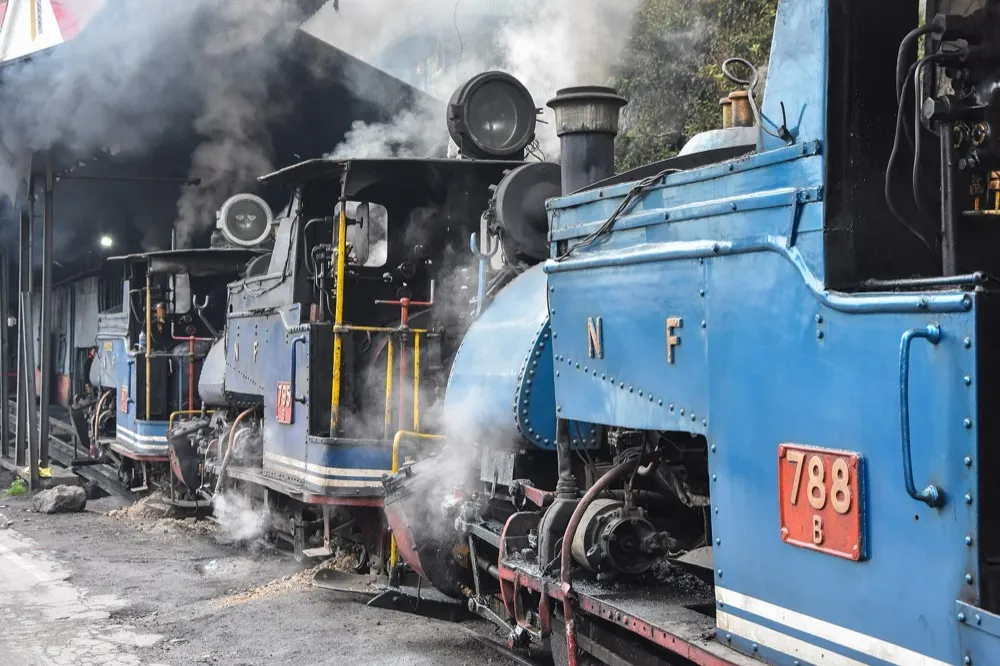
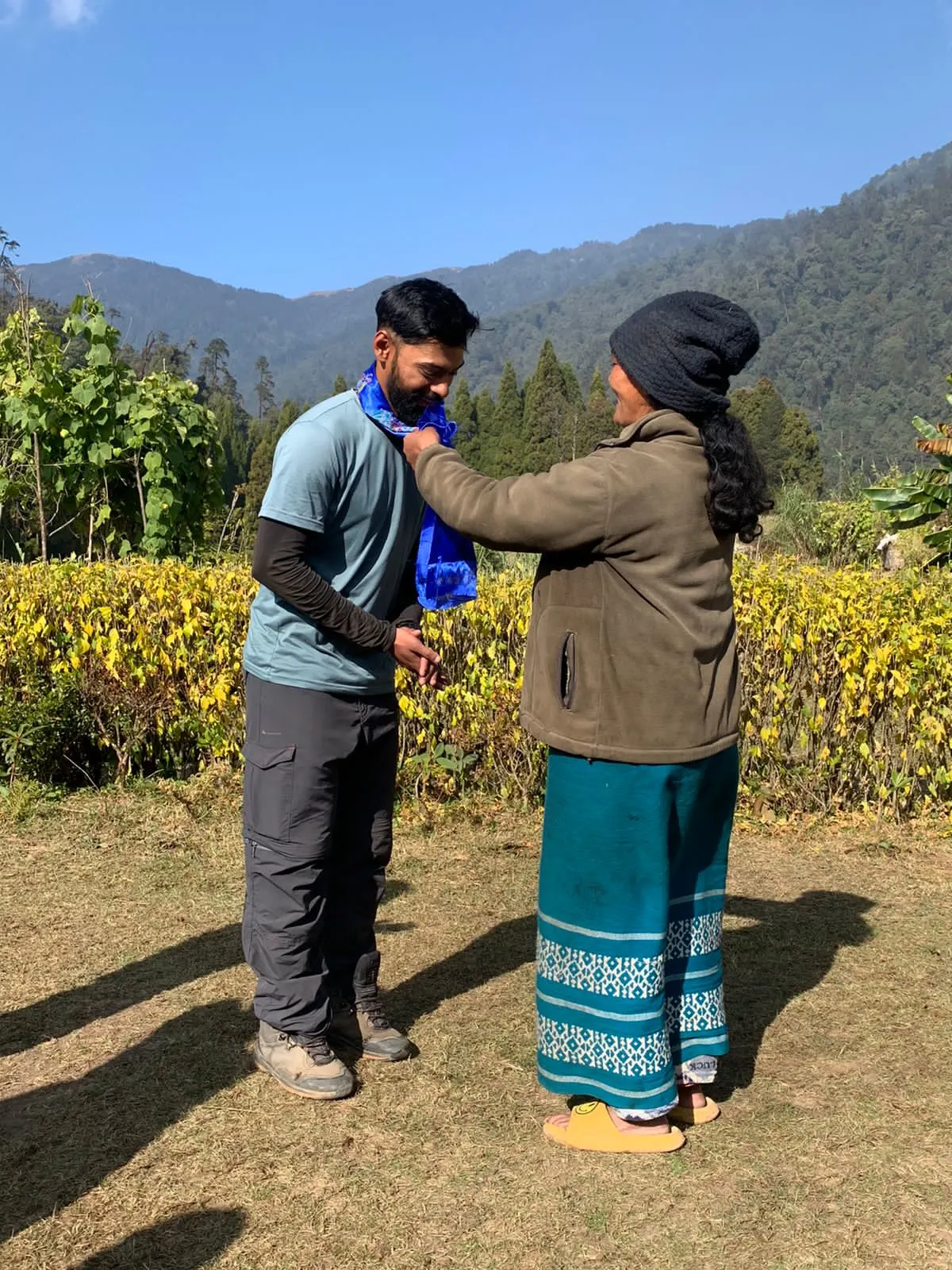
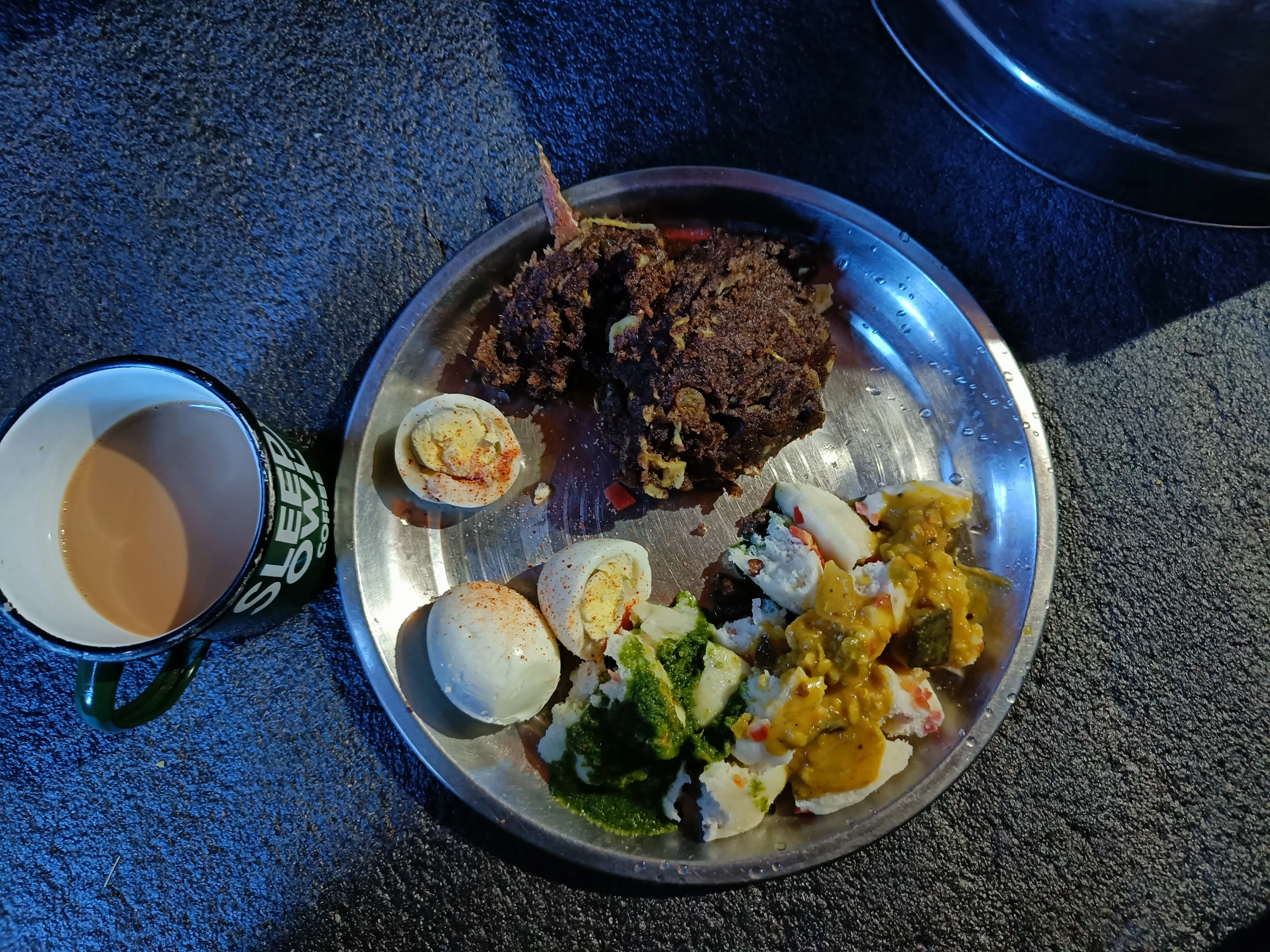
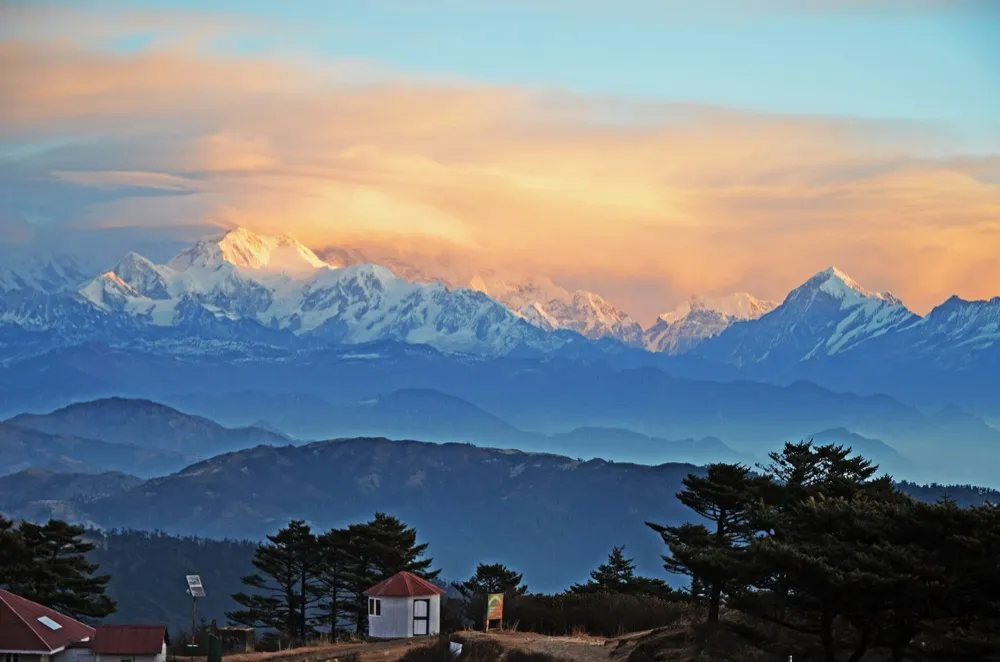
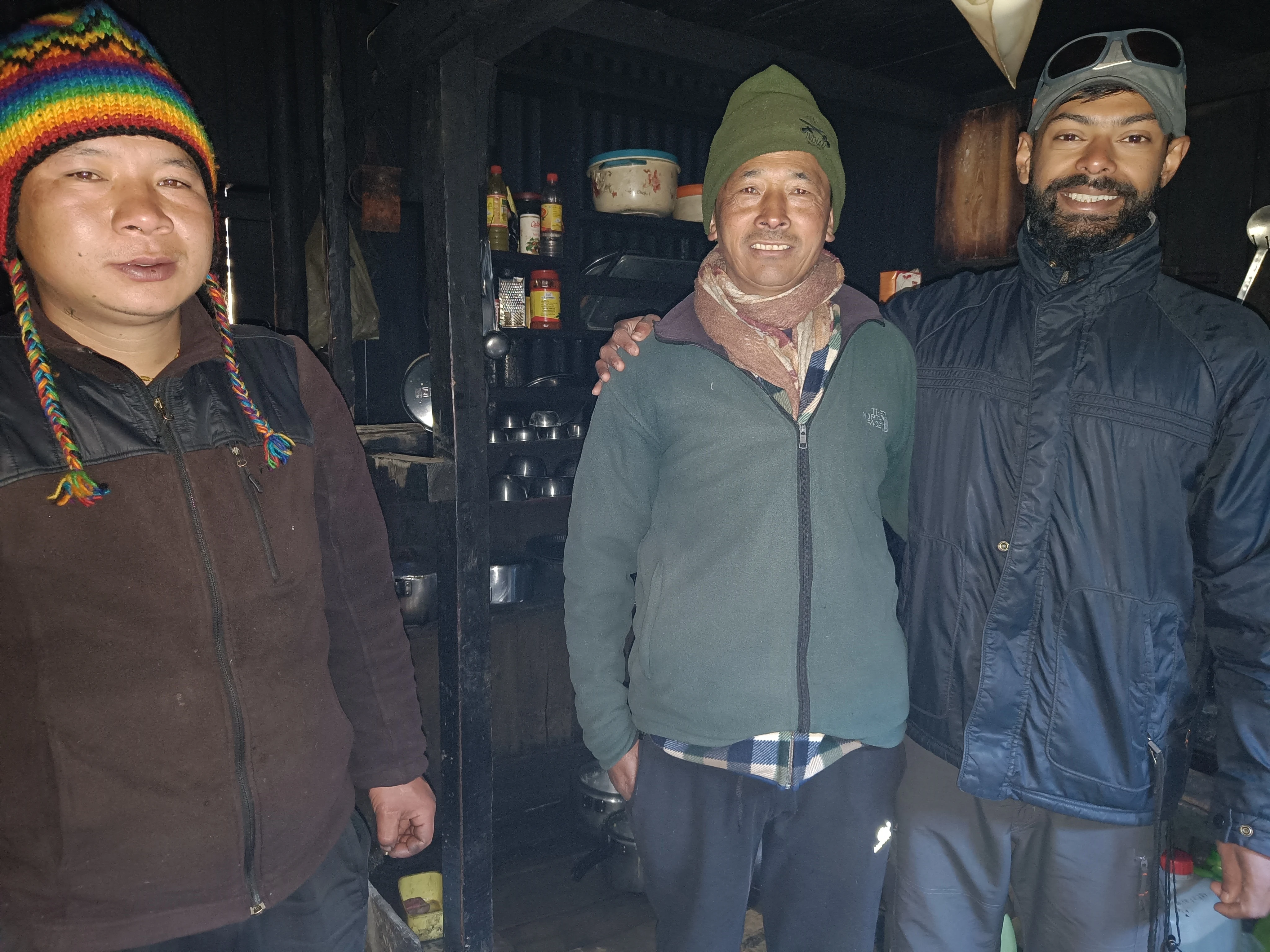
Real moments from the road: tea estates, mist, foothills.
Join the waitlist
View all journeys · Join waitlist
Related reading: the ethics of visiting offbeat places.
Itinerary
- Day 1: Scenic Riverside Drive | NJP to Sepi Village & Srikhola River
- Day 2: Nature & Village Strolls | Sepi Forest Trails & Bamboo Groves
- Day 3: River Valley Descent | Sepi to Bijanbari via the Little Rangeet River
- Day 4: Authentic Farm Immersion | Bijanbari Squash Walks & Riverside Picnics
- Day 5: Heritage Tea Estate Visit | From Bijanbari to the Charm of Old Darjeeling
- Day 6: Final Mountain Descent | Darjeeling to NJP for Departure
FAQs: Indo-Nepal Borderlands (Sepi & Bijanbari)
Where exactly are Sepi and Bijanbari located?
Both sit in the Darjeeling Himalayan foothills of West Bengal, near the India-Nepal border. Sepi is a riverside village at the base of Singalila National Park, a known trekking gateway. Bijanbari is a lower-altitude valley town about 30 km from Darjeeling, known for farmland, orange orchards, and warmer weather.
Is the West Bengal borderlands itinerary suitable for non-trekkers?
Yes. This is a slow-travel journey, not a trek. You will take gentle walks through the forests around Sepi and the orchards of Bijanbari, but there is no strenuous climbing. It suits travellers who want mountain scenery and village life without the physical demand of a Himalayan trek.
What is the weather difference between Sepi and Bijanbari?
They sit in two micro-climates. Sepi is higher and forested, so it stays crisp and cool, and you will want a jacket even in summer. Bijanbari is lower in a valley, so it is warmer, greener, and milder. Pack layers to stay comfortable in both.
What kind of food can I expect in Bijanbari?
Bijanbari is known as the fruit and vegetable basket of Darjeeling, so expect fresh, organic, farm-to-table meals. Think local squash, bamboo shoots, and mountain trout when available, in a warm mix of Nepali and Pahari home cooking.
Do I need special permits for the West Bengal borderlands circuit?
A basic forest entry permit is needed near Singalila National Park, and we arrange it for you. Just carry an original government photo ID (Aadhaar or Voter ID) for checkpoints along the India-Nepal border roads.
Is there mobile network and Wi-Fi in Bijanbari and Sepi?
Bijanbari has fairly stable mobile signal, and some stays and cafes offer Wi-Fi. Sepi is more remote: calls usually work, but mobile data is patchy. Treat Sepi as a digital reset and save online tasks for Bijanbari or Darjeeling.