
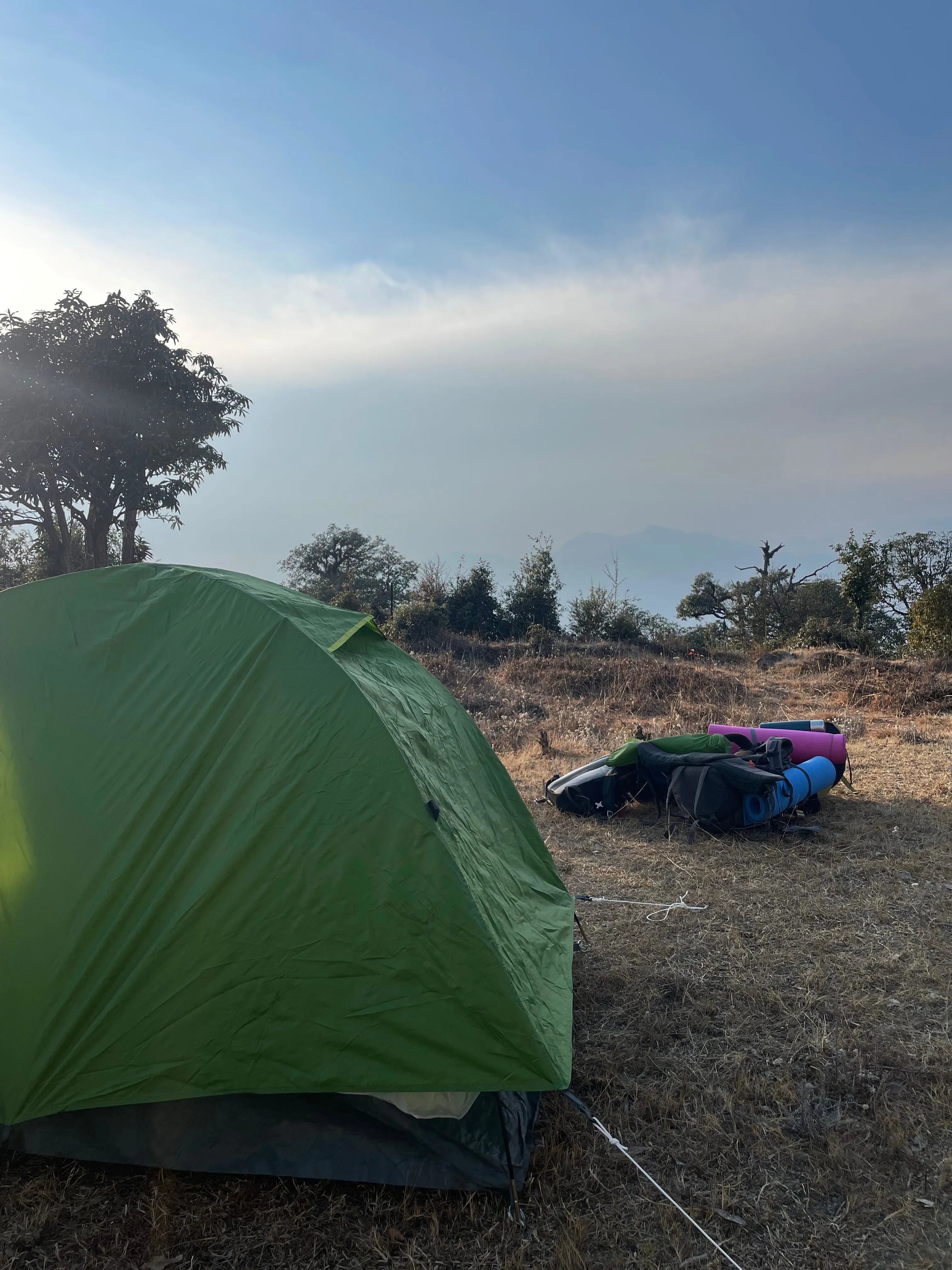
Everyone wants offbeat travel. Fewer people want what it actually asks of them.
The hidden village. The coastline that has not yet been discovered. The valley that does not appear on the standard itinerary. These are real places, and the desire to find them is real too. But somewhere between the discovery and the post, between the screenshot and the geotag, the question that matters most goes unasked.
What does my presence cost this place?
The Myth of Discovery
There is a truth about offbeat travel that does not get said often enough: there is no such thing as undiscovered anymore.
If you found it on Instagram, it was already found. If it appears on a travel blog, someone was there before the blog was written. You are simply earlier in the cycle than the next person. And being earlier in the cycle does not reduce your responsibility. It increases it.
The destinations that earn the word offbeat are fragile by nature. Smaller ecosystems. Tighter communities. Margins for error that are genuinely thin. One viral reel. One weekend of well-meaning visitors arriving without context. One wave of people who came because the place was beautiful and left without thinking about what beauty costs to maintain, and something shifts that does not shift back.
The question most offbeat travellers are asking is the wrong one. It was never: how do I find a place no one else knows about? It was always: how do I show up somewhere that was not built for me?
That is a harder question. It produces better travel.
What the Word "Ethical" Actually Means in Practice
Ethical travel is not a checklist. It does not begin with a list of rules and end when the boxes are ticked.
It is a posture. The difference between arriving at a community as a guest and arriving as an audience. Between looking at a place and actually seeing it.
In practice, it looks like this. It means not treating a village as a backdrop for your content and the people in it as props. It means asking before pointing a camera at a person, and accepting the answer if it is no. It means respecting cultural boundaries, particularly when those boundaries inconvenience your plans, because your inconvenience is a very small thing compared to what it means for a community to have its boundaries repeatedly ignored by well-intentioned visitors.
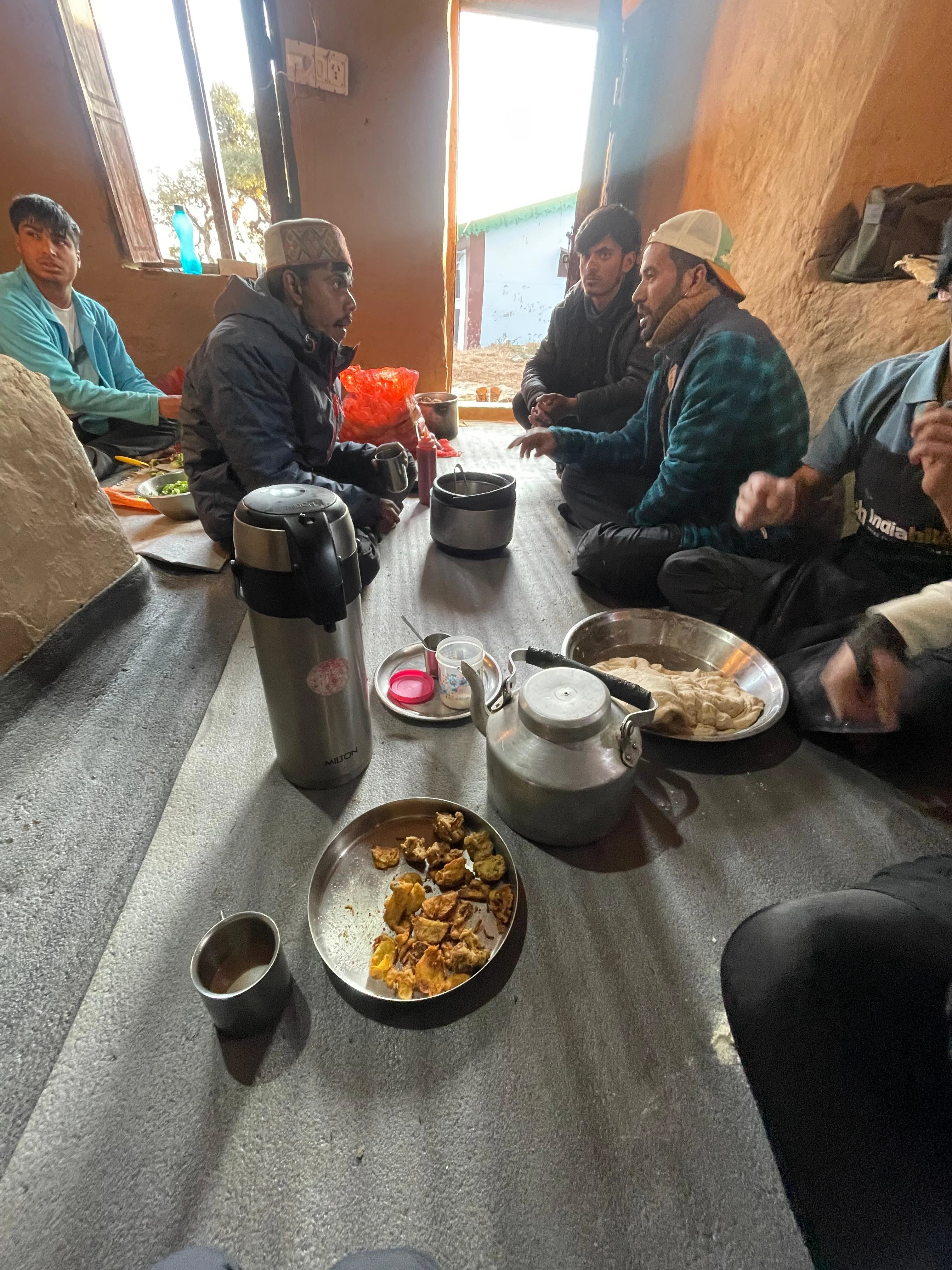
It means eating where the money stays in the community. Spending where it reaches the people who actually live and work in the place. Resisting the instinct to import your usual comforts into somewhere that was not designed around them.
Ethical travel is slower than the alternative. It listens more than it performs. It is, often, less photogenic. It is almost always more memorable.
What Happens When the Question Goes Unasked
Over-tourism does not begin with coaches in the car park and queues at the viewpoint. It begins earlier and quieter than that.
It begins with individual travellers who have individually decided that their presence does not really matter. That their single visit is not the problem. That the problem, if there is one, belongs to someone else or to a later wave of visitors.
Multiply that decision across enough individual travellers and the arithmetic becomes visible. Waste accumulates in places that were not built to process it. Prices rise, for locals rather than for visitors. Cultures begin bending to accommodate the preferences of people passing through, until the accommodation itself becomes the culture, and what was there before becomes difficult to find. Landscapes absorb footfall until they simply cannot absorb any more.
The most interesting places in India are navigating some version of this pressure right now. Some have been navigating it for decades. The places that have fared best are the ones where the visitors who arrived earliest chose to arrive carefully.
A Different Understanding of Offbeat
At Komorebi, offbeat does not mean exclusive. It does not mean being first, or rare, or in possession of a location that others have not found yet.
It means intimate.
It means staying somewhere long enough that the relationship changes from consumption to understanding. Long enough to stop performing the experience and start actually having it. Long enough that the community you are visiting registers you as a person rather than a category of visitor.
The places Komorebi takes people to, the ridge villages of Himachal Pradesh, the sacred forests of Meghalaya, the borderland communities of West Bengal, the high-altitude settlements of Spiti and Upper Kinnaur, these are not chosen because they are unknown. They are chosen because the communities in them have something genuine to offer, and because the format of how Komorebi travels makes it possible to receive that offering without taking more than is being given.
Small groups. Slow pace. Local hosts who are part of the community rather than adjacent to it. These are not selling points. They are the conditions that make ethical presence possible.
The Responsibility That Comes With the Route
Every Komorebi circuit is designed with an awareness of what small-group tourism does to a place over time.
It means returning to the same communities across multiple seasons rather than constantly adding new destinations to the map. It means the local hosts we work with are partners, not vendors. It means the accommodation we use keeps money in the community where it is spent. It means our travellers are briefed, not just on what they will see, but on how to be present in it.
None of this is perfect. Ethical travel is not a destination you arrive at and then stop thinking about. It is an ongoing negotiation between your desire to be somewhere and the right of that somewhere to remain itself.
What Komorebi asks of its travellers is simply to hold that negotiation consciously. To arrive as a guest rather than a consumer. To leave the place as whole as they found it.
Frequently Asked Questions
What does responsible offbeat travel actually mean?
It means arriving at a destination with awareness of what your presence costs and what it contributes. In practical terms: travelling in small groups, spending locally, respecting cultural boundaries, and avoiding behaviour that prioritises your experience over the wellbeing of the community you are visiting.
Is slow travel better for local communities?
Slower travel tends to generate more meaningful economic benefit for local communities because it keeps spending closer to the source. A traveller who stays three days in a village homestay and eats at the family table contributes differently than one who passes through for an hour. The duration and quality of the stay matters.
How does Komorebi ensure its travel is community-led?
Local Hosts on every Komorebi journey are community members, not tourism intermediaries. The accommodation, food, and cultural access are arranged through direct relationships built over time. The circuits are designed to return to the same communities across seasons rather than constantly opening new ones.
Does small group travel really make a difference?
Group size shapes the character of the interaction between visitors and a community. Ten people arriving slowly and staying overnight are a different kind of presence than forty arriving by coach for two hours. The difference is felt by the community, and it determines whether a place bends to accommodate visitors or remains recognisably itself.
Are Komorebi destinations at risk of over-tourism?
Some of the regions Komorebi travels through are beginning to feel the pressure of increased visitor numbers. This is part of why the format matters. A deliberately small, slow, community-rooted approach is not a complete answer to over-tourism, but it is a more honest one than simply avoiding destinations after they become popular.
What can individual travellers do to travel more responsibly?
Ask before photographing. Spend where the money stays local. Respect cultural practices even when they are unfamiliar. Travel in smaller groups where possible. Stay longer in fewer places rather than covering more ground quickly. Arrive as a guest and leave as one.
The Komorebi Perspective
Offbeat travel, understood properly, is not about location. It is about the quality of attention you bring to wherever you are.
A crowded place visited slowly and thoughtfully is more offbeat, in the meaningful sense, than a hidden place visited carelessly. The destination matters less than the decision about how to arrive in it.
Komorebi designs journeys for travellers who are willing to make that decision consciously. The routes exist because the communities at the end of them have something worth being present for. The responsibility is to stay worthy of the invitation.
Offbeat was never a location on a map. It is the decision about how to arrive, and the care taken to leave things as whole as you found them.
Komorebi is a slow-travel design studio running small group road journeys across India. All circuits are designed around community-led hosting, local economic participation, and a deliberate commitment to places that deserve more than passing through.