

Experience overview
Ziro doesn't announce itself. It sits quietly in the Lower Subansiri district, ringed by pine forest and paddy fields, and asks you to slow down before it shows you anything at all. This journey takes you there for four days of the Ziro Festival, and a few more on either side to actually arrive.
You will walk through Apatani villages, stop for local brews, sit in on a rice harvest, try hand-fishing in the paddy fields, and return each evening to music and campfire conversations under the pines. It is not a festival package with a campsite attached. It is a slow, small-group journey that happens to be timed around one of India's most soulful outdoor gatherings.
Focus: Ziro Festival evenings, Apatani village life, paddy-field experiences, local food, elevated alpine tents, and the quiet rhythm of the valley around the music.
Who this is for
- Travellers who want a festival experience that does not feel like a festival package.
- People drawn to tribal culture and everyday Apatani life.
- Anyone comfortable with basic camping, uneven village and forest terrain, and cool September nights.
- Small-group travellers who would rather sit through a rice harvest than rush past it for a photo.
The group experience
The group is capped at 10 travellers, small enough that the village walk feels personal rather than staged. A Komorebi Trip Host travels with the group from start to finish, handling transfers, camp coordination, activity timing, and the small decisions that usually interrupt a festival trip.
Where you'll stay
- Stay style: Elevated alpine tents under a pine canopy.
- Comfort: Proper mattresses, bedsheets, pillows and warm blankets for cool September nights.
- Charging: A campsite charging point is available for essentials.
- Washrooms: 24/7 water supply, Western and Indian-style toilets, showers, jet sprays, buckets and mugs.
- Note: Towels are not provided at camp, so carry your own.
Food experience
Meals are simple, home-style and rooted in Northeast ingredients: local greens, rice from the fields you visit, and meat-forward tribal cooking where available. The traditional lunch on the village-walk day is built around the herbs and flavours Apatani households have used for generations. Breakfast, lunch and dinner are served daily at camp.
Local & festival experiences
Apatani life
Guided village walks, local brews, bamboo craft, everyday food and context around the valley's rice-and-fish farming system.
Paddy fields
Rice harvesting and hand-fishing alongside villagers, with enough time to understand the rhythm rather than treat it as a photo stop.
Festival nights
Three stages, independent music, food stalls, craft corners, campsite jam sessions and campfire evenings after the main sets.
Inclusions & Exclusions
Inclusions
- Accommodation in elevated alpine tents throughout
- 11 meals: 5 dinners, 5 breakfasts, and 1 lunch
- Pickup and drop-off from Guwahati Airport only
- All local transport between activities
- Village walks, winery visit, paddy field experience, and local Ziro tour
- Komorebi Journey Host, present throughout
- Inner Line Permit (ILP) arrangement
- Basic first-aid support
Exclusions
- Flight tickets
- Ziro Festival tickets
- Beverages and any meals beyond those listed above
- Personal expenses and travel insurance
- Any activity not specifically mentioned in this plan
Good to know
- Permit: Inner Line Permit is mandatory for Arunachal Pradesh and arranged as part of this journey.
- Weather: September days are pleasant and evenings are cool. Pack layers.
- Connectivity: Mobile network is inconsistent in parts of the valley; BSNL tends to work best.
- Fitness: Basic fitness is enough, but expect some walking on uneven village and forest terrain.
- Health: Basic medical support is available on site. Share relevant conditions and an emergency contact before departure.
- Travel light: Avoid single-use plastic, carry out what you carry in, ask before photographing people, and be mindful around paddy fields and forest trails.
What to carry
- Rain jacket, warm layers and comfortable walking shoes
- Torch or flashlight, power bank and small day backpack
- ID proof, personal medicines, toiletries and towel
- Reusable water bottle, sunglasses and sunscreen
Visual memory strip
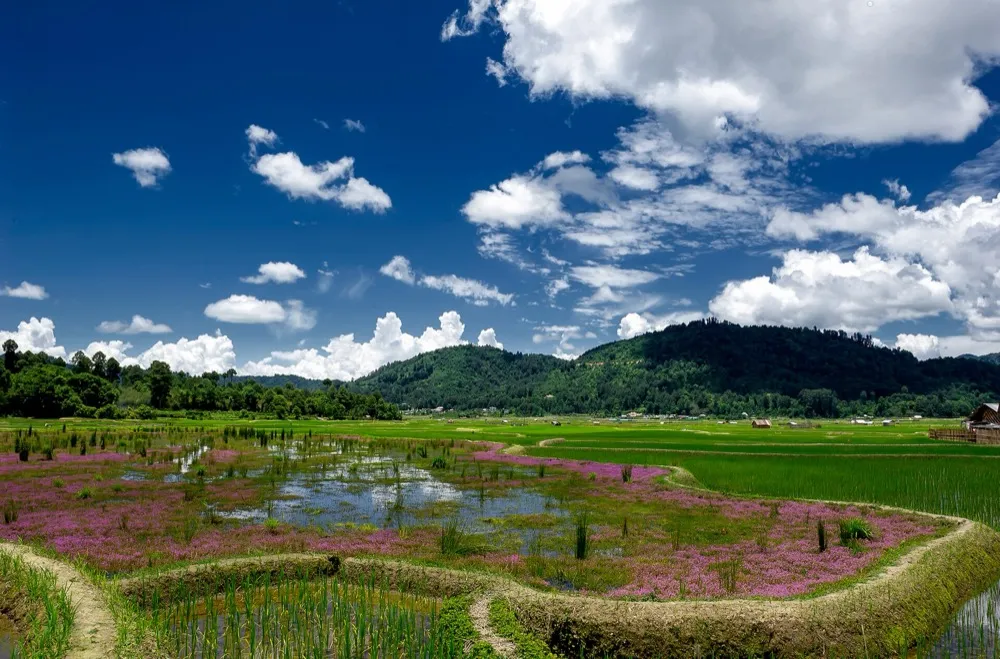
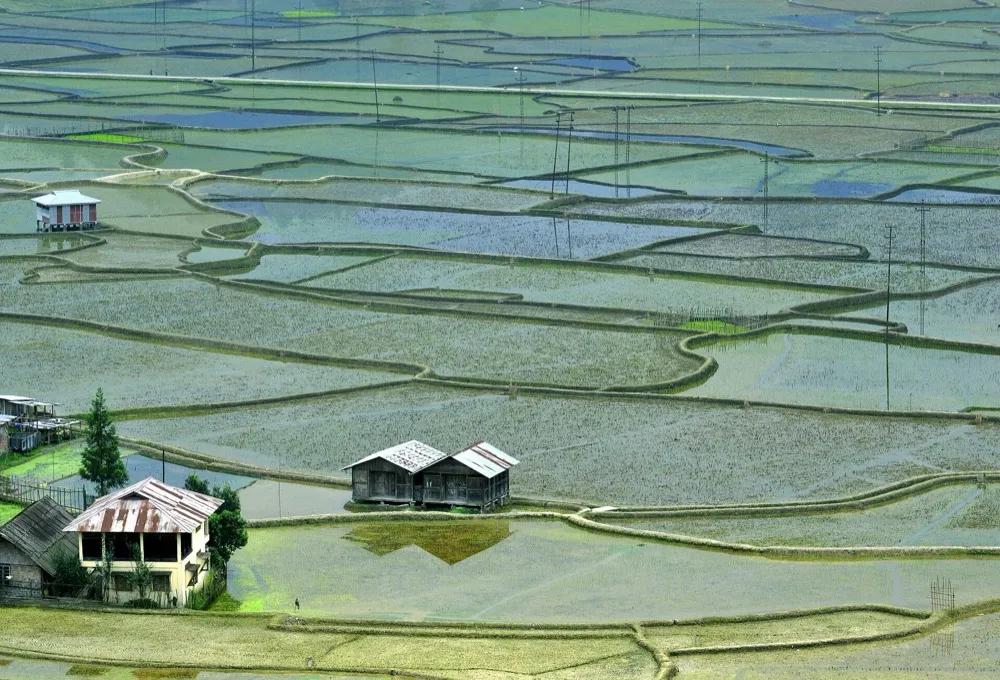
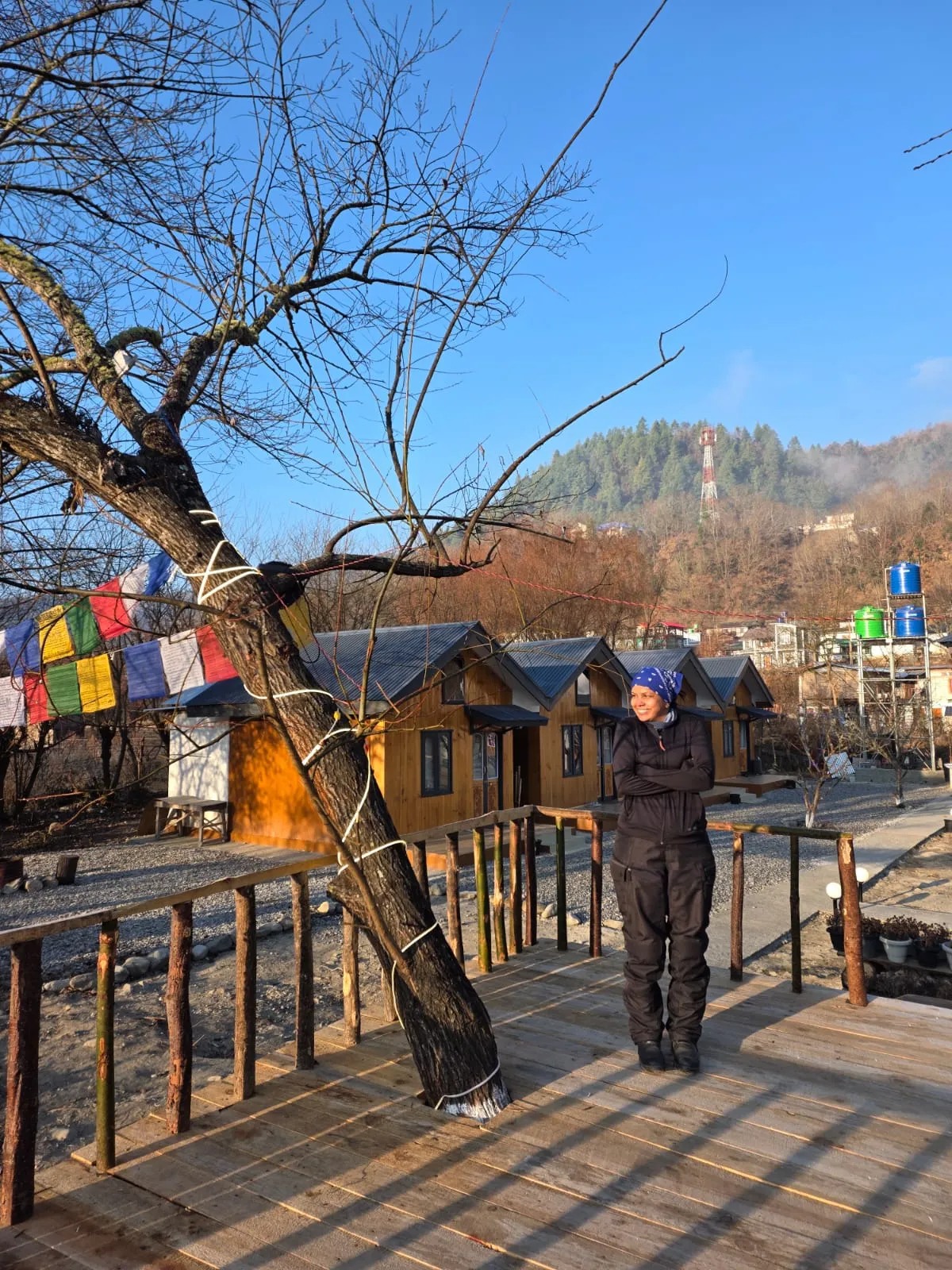
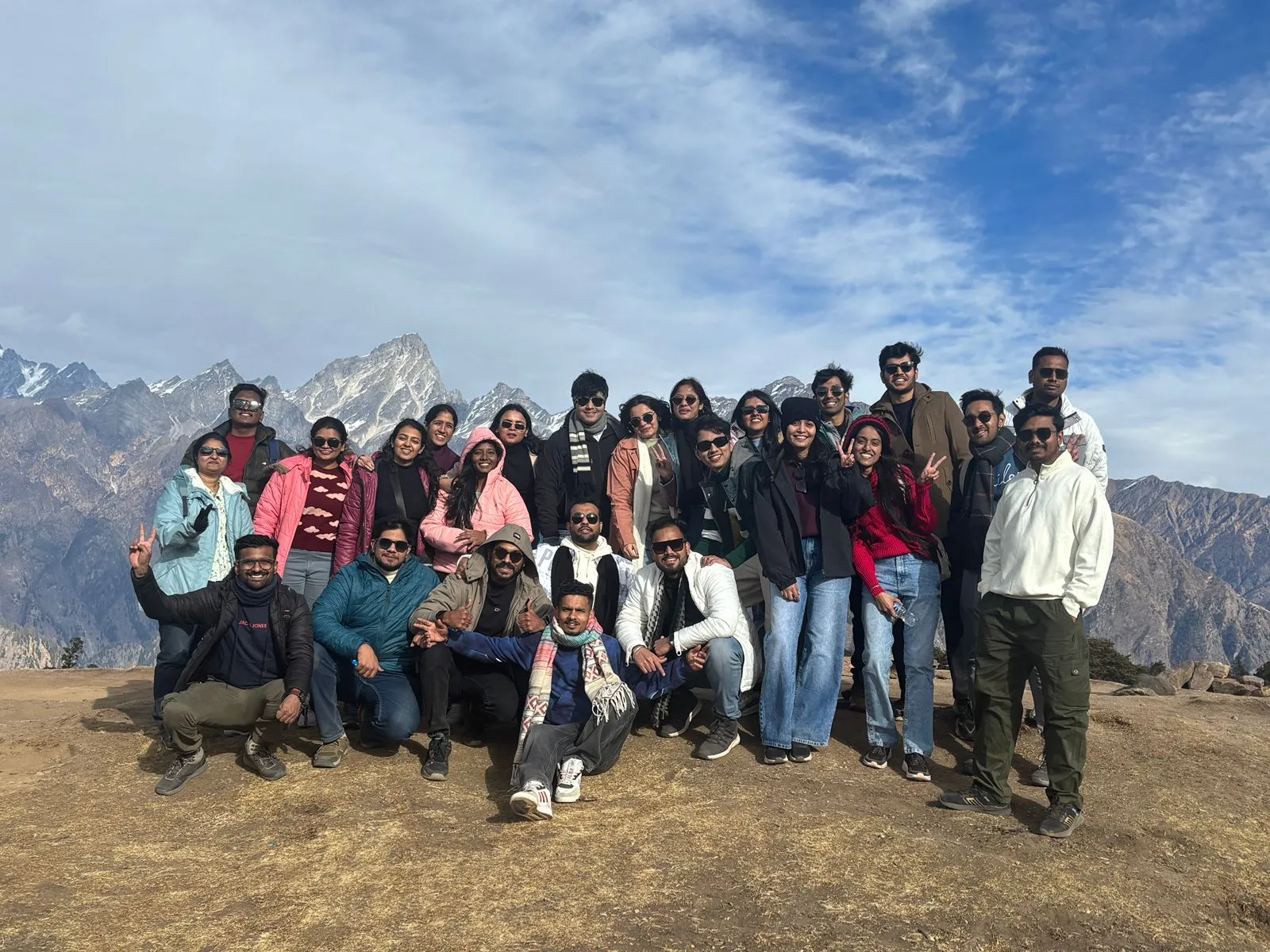
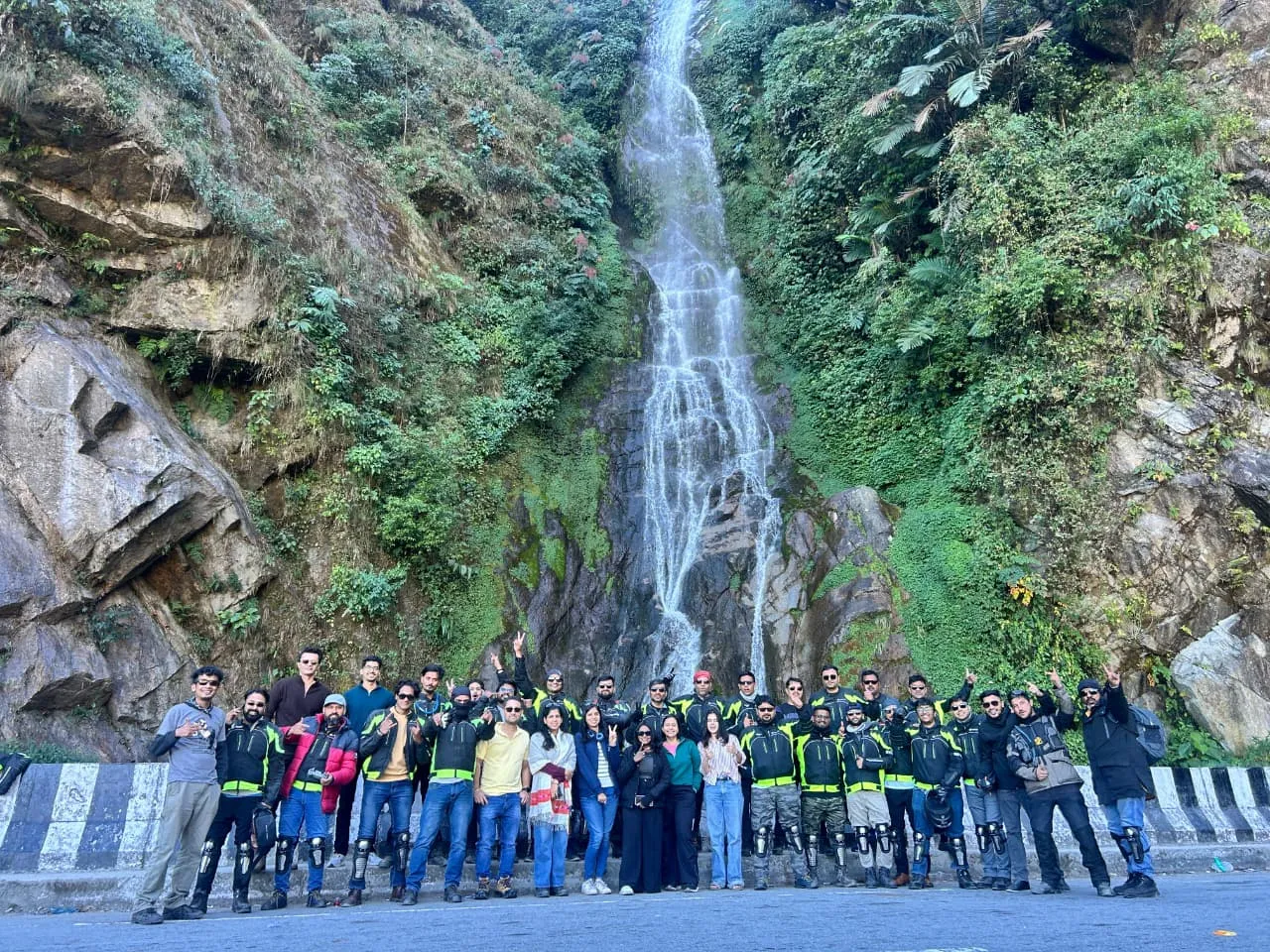
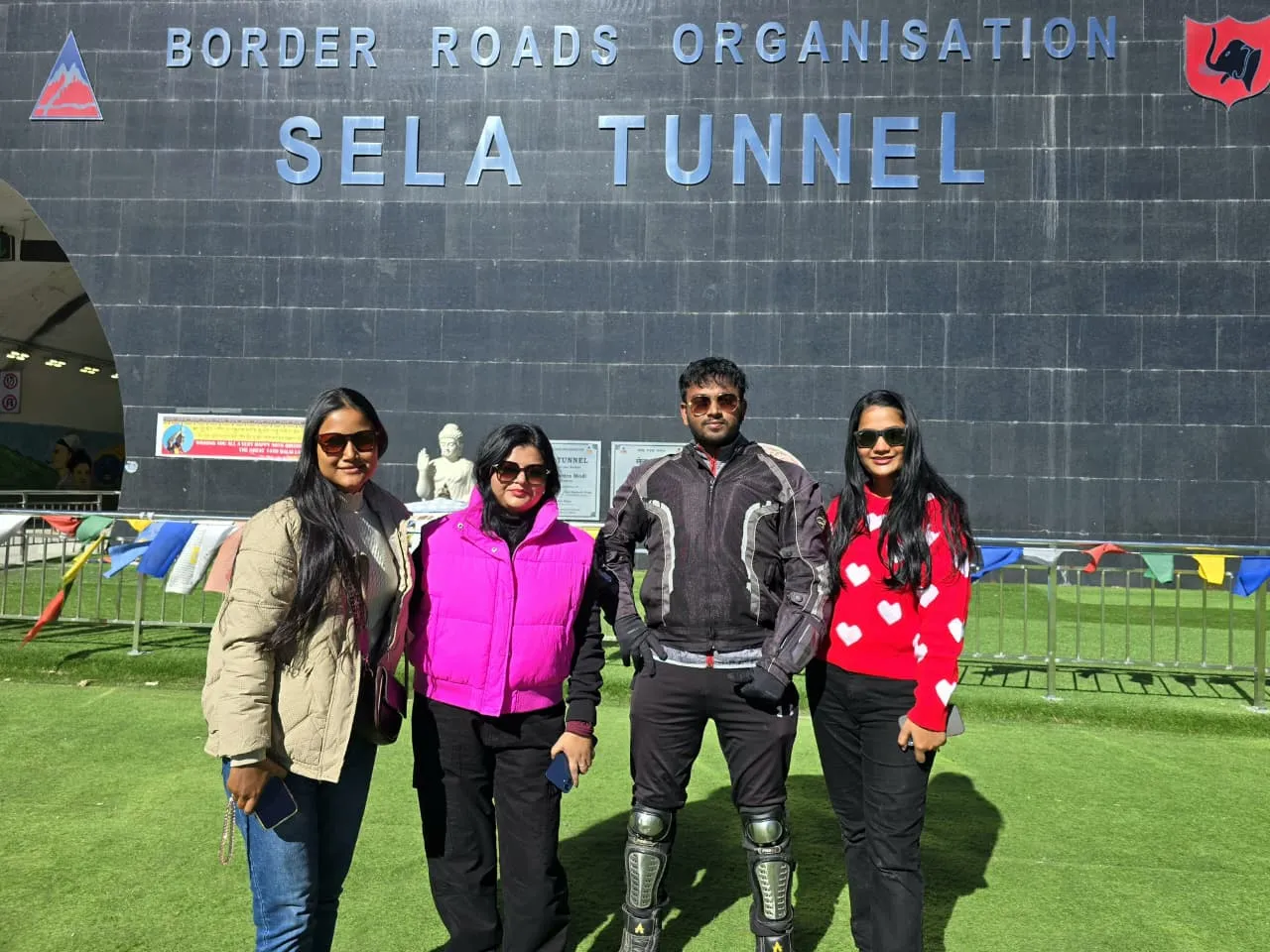
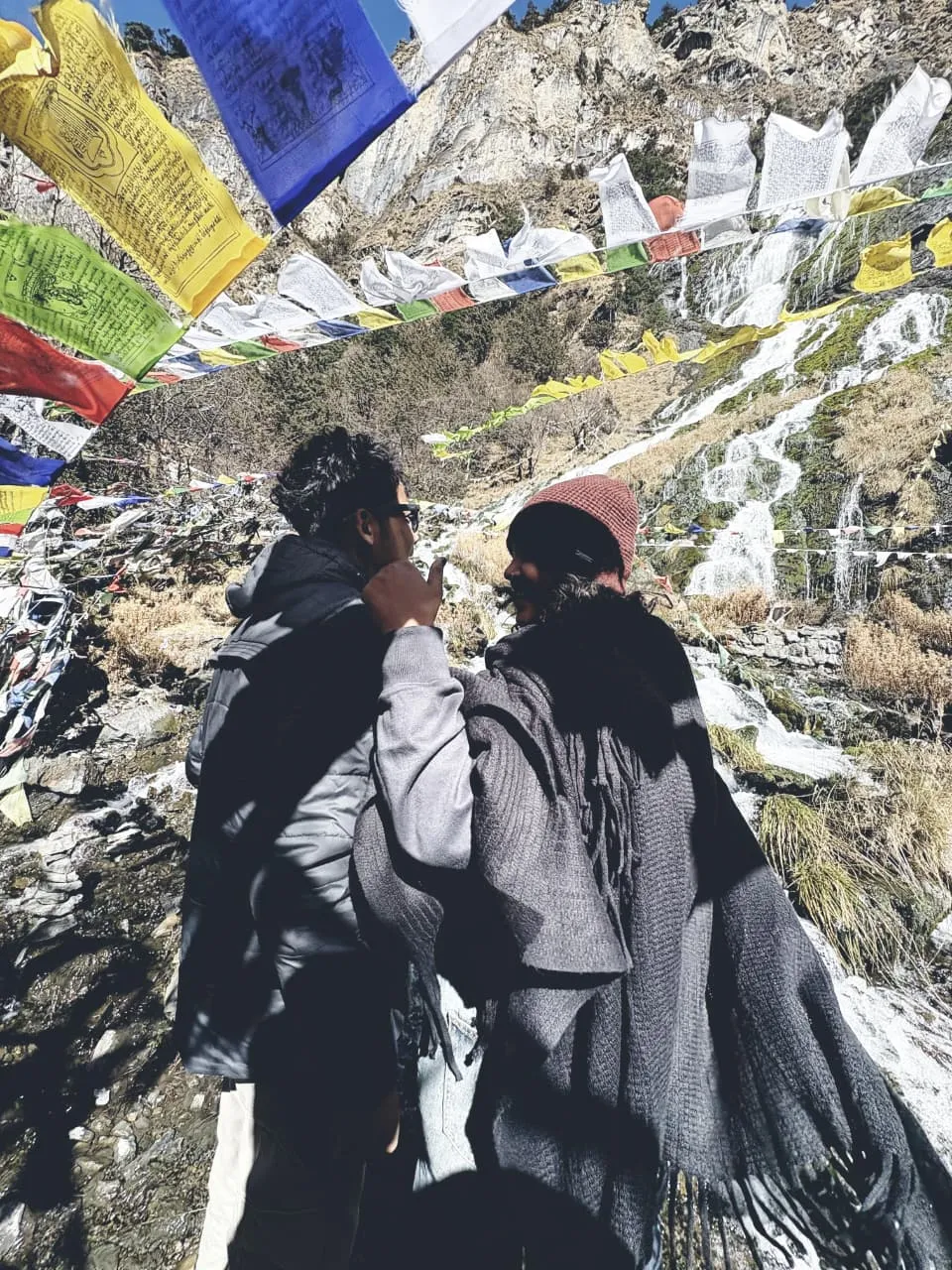
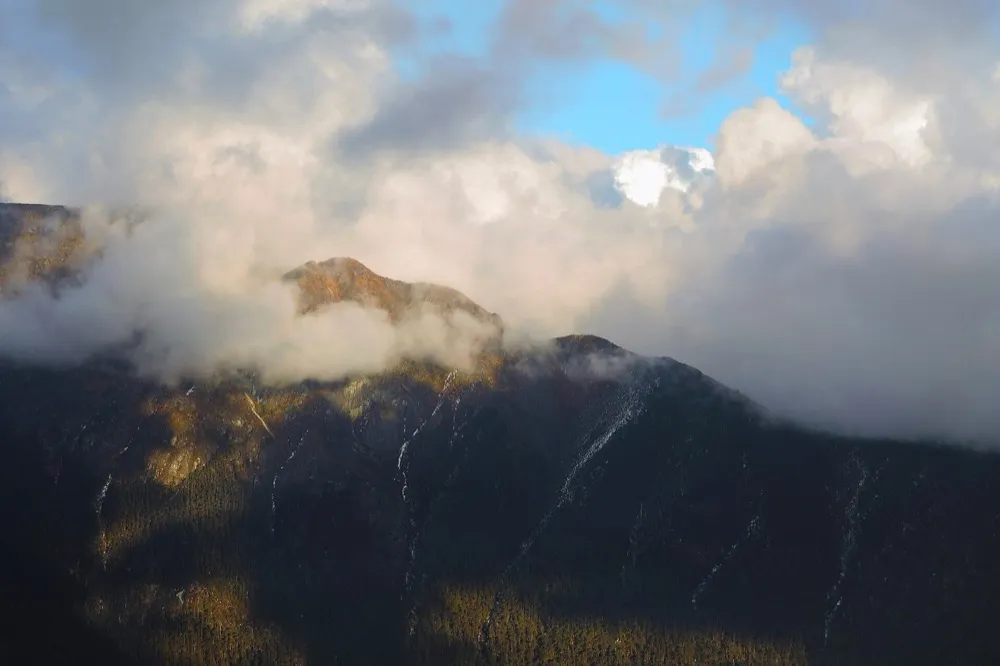
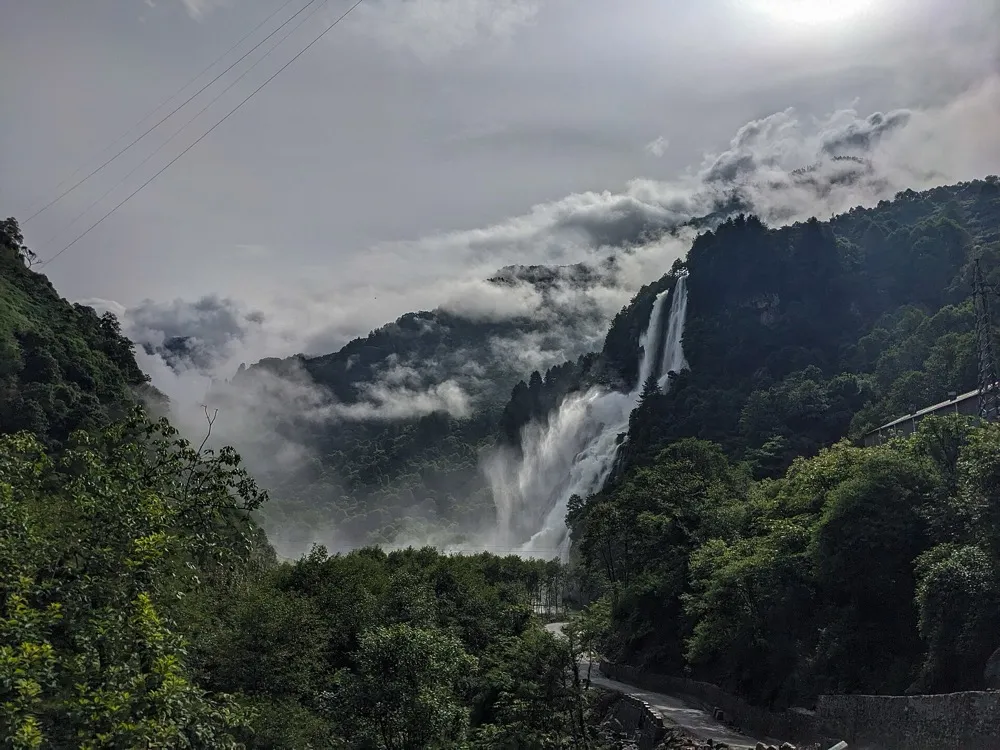
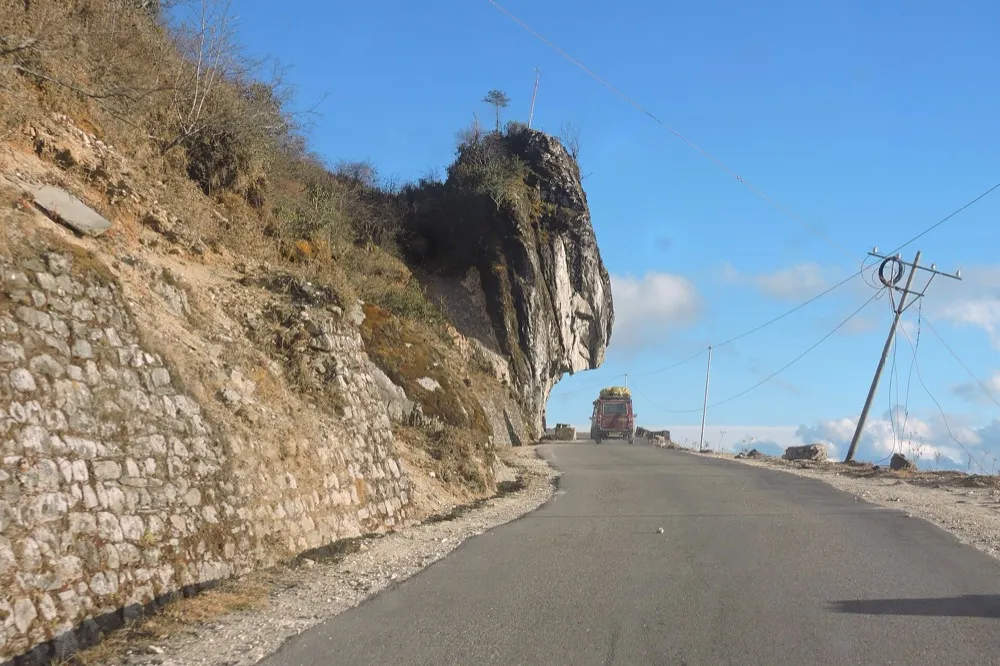
Real moments from Arunachal: people, landscapes, mist and light.

Join the waitlist
This journey is currently sold out. Join the waitlist and you will be the first to hear when the next Ziro group opens.
View all journeys · Join waitlist
Related reading: why Komorebi keeps groups small.
Itinerary
- Day 1: Hello North East | Meet at Guwahati Airport by 8 AM, an eight-to-nine-hour drive by AC tempo traveller across Assam into Ziro Valley, camp check-in, evening meet and greet and a homely dinner
- Day 2: The Festival Begins | A relaxed morning to recover from the road, the festival opening from 2 PM, then a leisure evening and dinner back at camp
- Day 3: Village Walk, Local Brews | Guided Apatani settlement walk, local winery stop, traditional lunch at camp and festival evening
- Day 4: Paddy Fields, Hand-Fishing | Rice harvesting and hand-fishing alongside villagers, lunch at camp and another full festival evening
- Day 5: Beyond the Festival | Siddheswar Mahadev Shiv Mandir, Sikhe Lake, Hapoli market and the festival's closing night
- Day 6: Bye Bye Ziro | Breakfast and goodbyes, departure at 8 AM for the eight-to-nine-hour drive back to Guwahati Airport
Ziro Valley: FAQs
When is the best time to visit Ziro Valley?
March to June and September to November are the best months for Ziro Valley, with mild weather and green terraced paddies. Late September is especially popular because it coincides with the Ziro Festival of Music.
What is Ziro Valley known for?
Ziro, in central Arunachal Pradesh, is known for the Apatani community, terraced wet-rice fields with integrated fish farming, pine-covered hills, sacred groves, and the annual Ziro Festival of Music. It is a UNESCO tentative-list cultural landscape.
Who are the Apatani people?
The Apatani are an indigenous community of Ziro Valley, known for remarkably sustainable rice-and-fish farming, bamboo craft, and a deep-rooted relationship with their land. This journey includes guided Apatani village walks, local food, paddy-field experiences, and cultural context from people connected to the valley.
Do I need a permit to visit Arunachal Pradesh?
Yes. Indian citizens need an Inner Line Permit (ILP) and foreign nationals need a Protected Area Permit (PAP) to enter Arunachal Pradesh. Komorebi arranges the paperwork as part of the trip, so you just need valid ID and photos.
How do I get to Ziro Valley?
The itinerary begins at Guwahati Airport, where the group meets by 8 AM for an eight-to-nine-hour drive by AC tempo traveller across Assam and into Ziro Valley on the same day. Komorebi coordinates the transfers within the itinerary.
Are Ziro Festival tickets included?
No. Ziro Festival tickets are not included in the package and need to be arranged separately. Komorebi can guide you on timing and logistics.
What are the camp washrooms like?
Camp washrooms have 24/7 running water, Western and Indian-style toilets, showers, jet sprays, buckets and mugs. Towels are not provided, so carry your own.
What meals are included on the Ziro trip?
Daily breakfast, lunch and dinner are included, along with a traditional lunch on the village-walk day. Beverages and meals outside the listed schedule are excluded.
Is mobile network available in Ziro?
Connectivity is patchy in parts of the valley and during outdoor activities. BSNL usually offers the most consistent coverage, and Wi-Fi may be available at camp depending on weather.
Is the Ziro trip a festival trip or a cultural trip?
Both, depending on the dates. Festival-week departures build the Ziro Festival of Music into a slow cultural stay, while other departures focus purely on Apatani village life, rice-field walks, and the valley's quiet rhythm.