
Inclusions & Exclusions
Inclusions
- Transfer: Delhi ISBT – Delhi ISBT
- Meals: 16 in total
- Accommodation: 08 nights
- Room sharing: Triple sharing
- Journey Host
- Permits and entry fees
Exclusions
- Lunches and personal meals not mentioned above
- Any additional local transportation not specified in inclusions
- Anything which is not mentioned
Experience overview
The Ultimate Trans-Himalayan Winter Journey: This isn't a "standard Spiti Valley tour", it is a deep dive into the high-altitude wilderness. Designed for the conscious traveler, we focus on ancient Buddhist wisdom, snow-dusted monasteries, and the luxury of slow travel. Experience the raw silence of the Himalayas and the warmth of traditional wood-fired hearths.
Who this journey is for
- Travelers who want Spiti without the summer crowds
- Comfortable with cold and basic winter amenities (eco-toilets, layered clothing)
- Curious about snow leopards: winter is the best time to spot them
- Want depth, silence, and a true winter expedition
Not ideal for those who prefer warm weather or luxury facilities.
A glimpse of the flow
We don't do rigid day-by-day plans. Here's the rhythm.
Arrival phase
Night departure from Delhi. Frosty ascent via Shimla to Sarahan. Settle into winter pace.
Middle phase
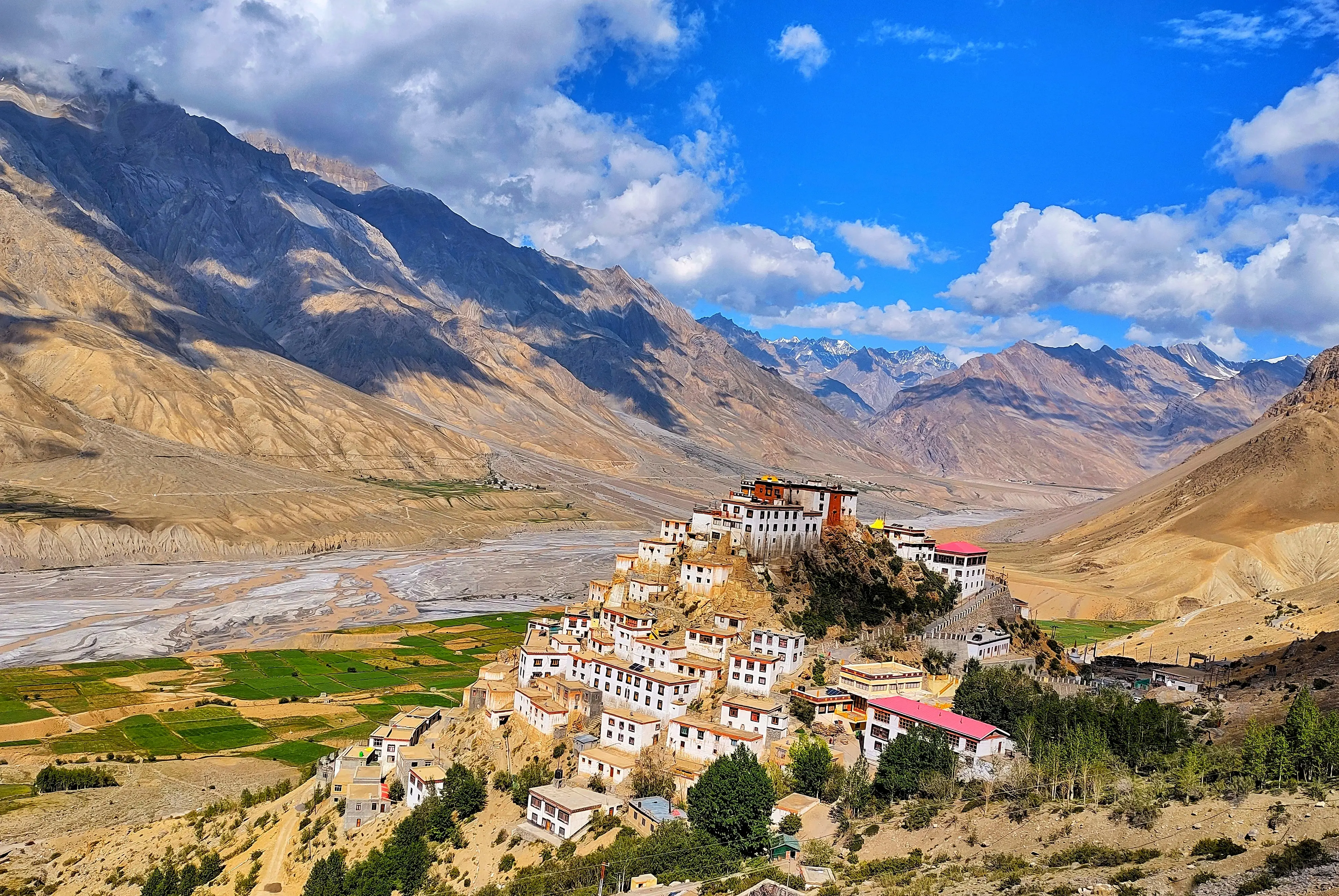
Frozen valleys, Chitkul, Nako, Tabo, Dhankar, Kaza. Monasteries and villages in snow. Key Monastery and Chicham.
Closing phase
Return from the cold via Shimla. Homebound with the landscape still in your mind.
The group experience
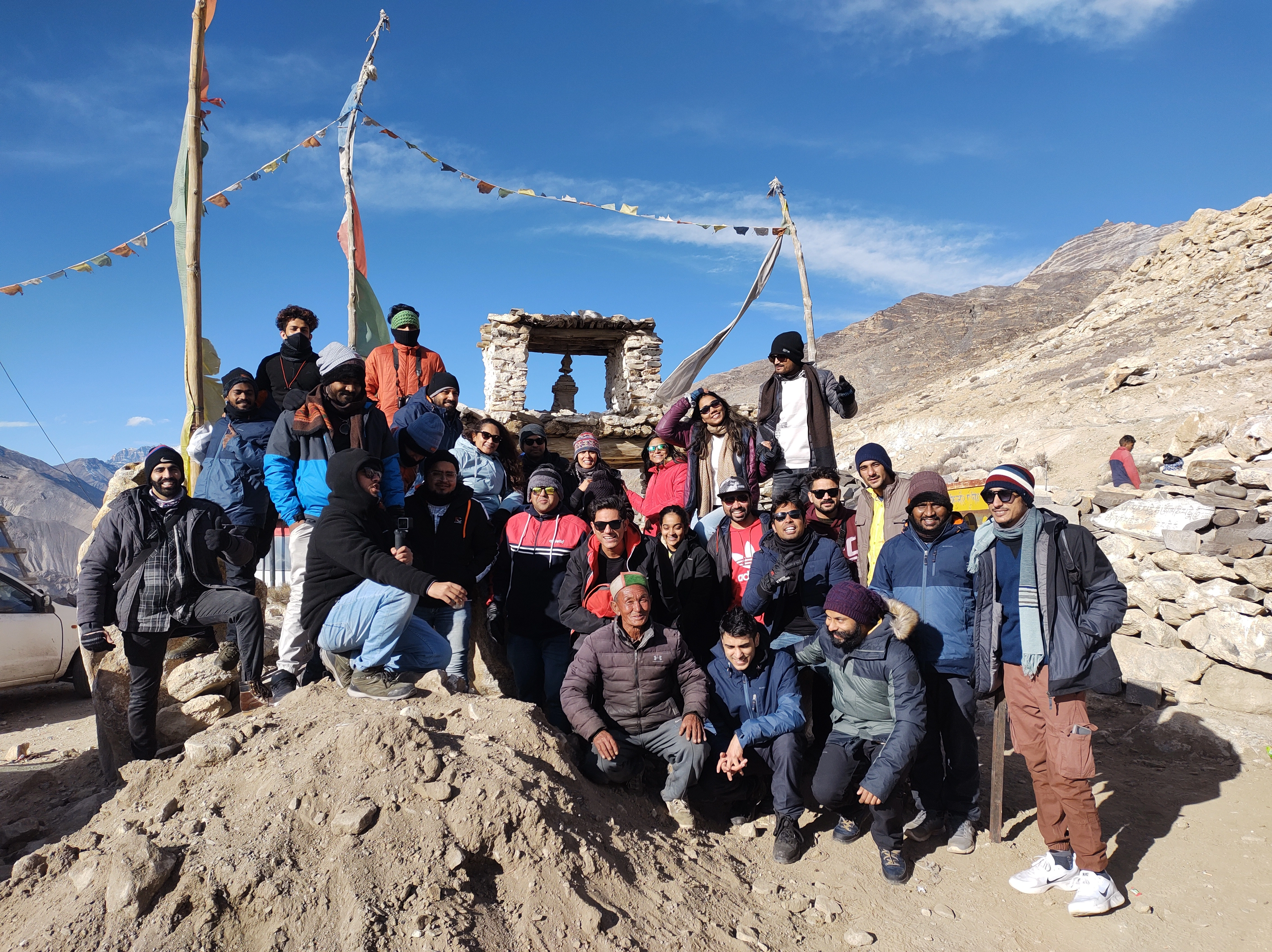
We keep groups small, 4 to 10 people. Shared warmth, shared silence. You get to know each other and the place. There's space for stillness and for connection. No crowd, no rush.
Practical information
- Physical level: Moderate (high altitude, cold, some driving on winter roads)
- Travel style: Expedition-style, slow
- Accommodation: Homestays with traditional heating (Bukheris)
- Climate: Can drop to -20°C or below at night. Grade-A winter gear required.
- Support: Experienced winter drivers, flexible itinerary, safety first.
Visual memory strip
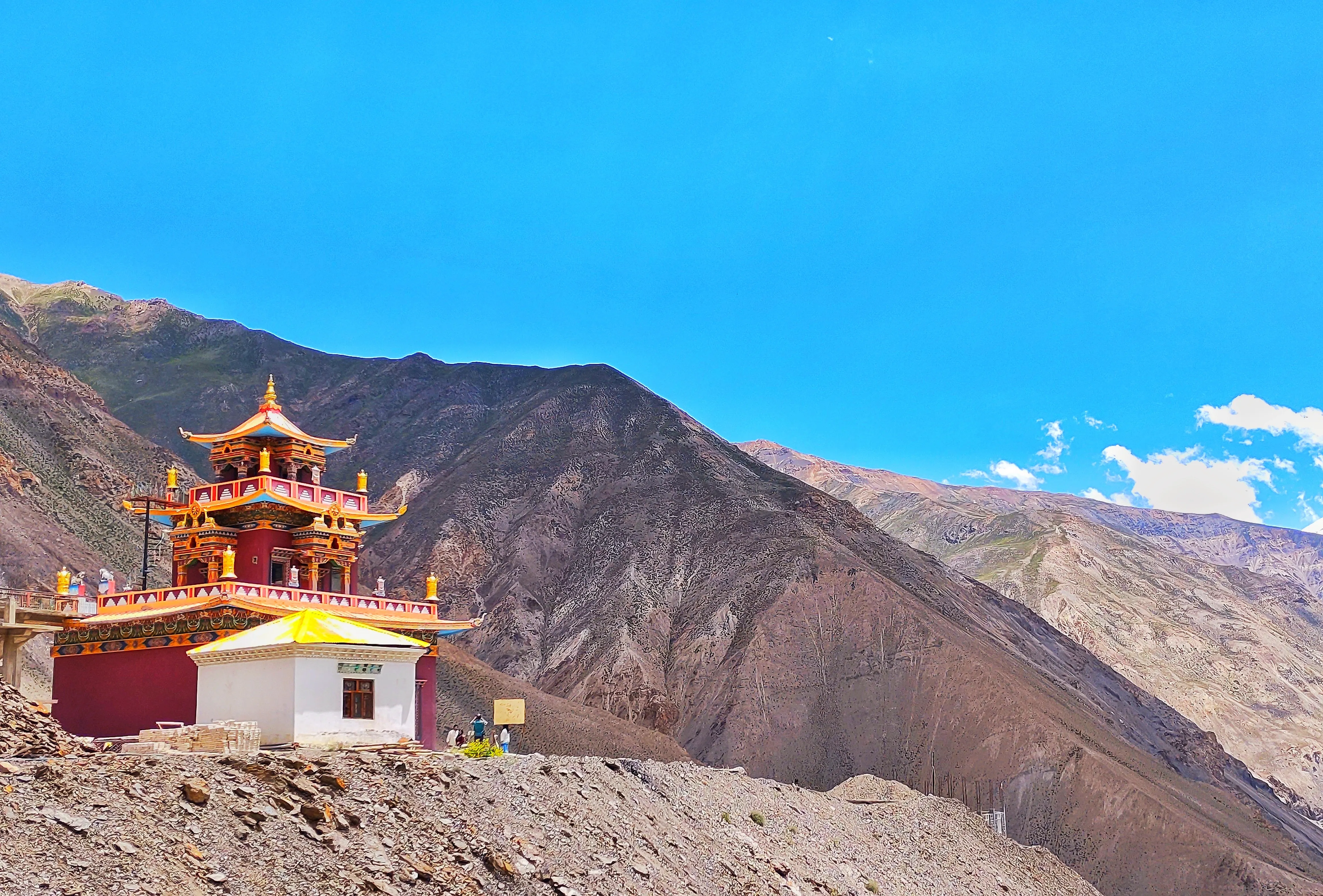
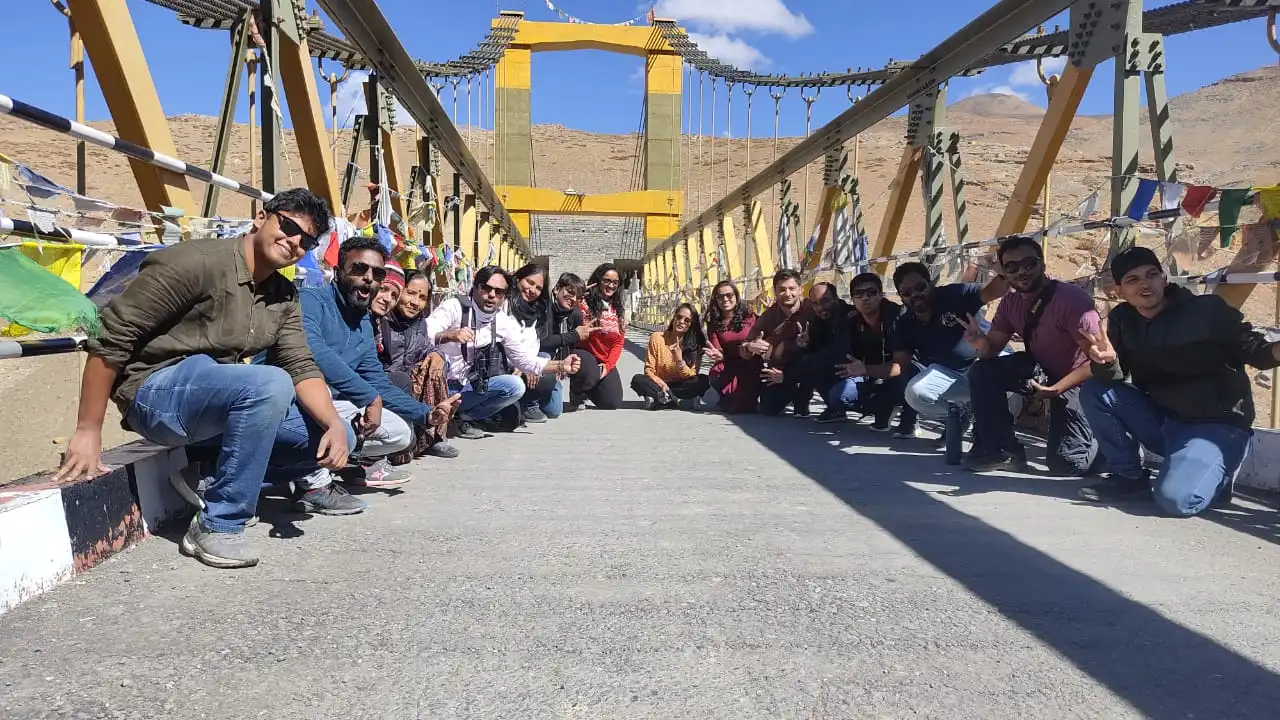
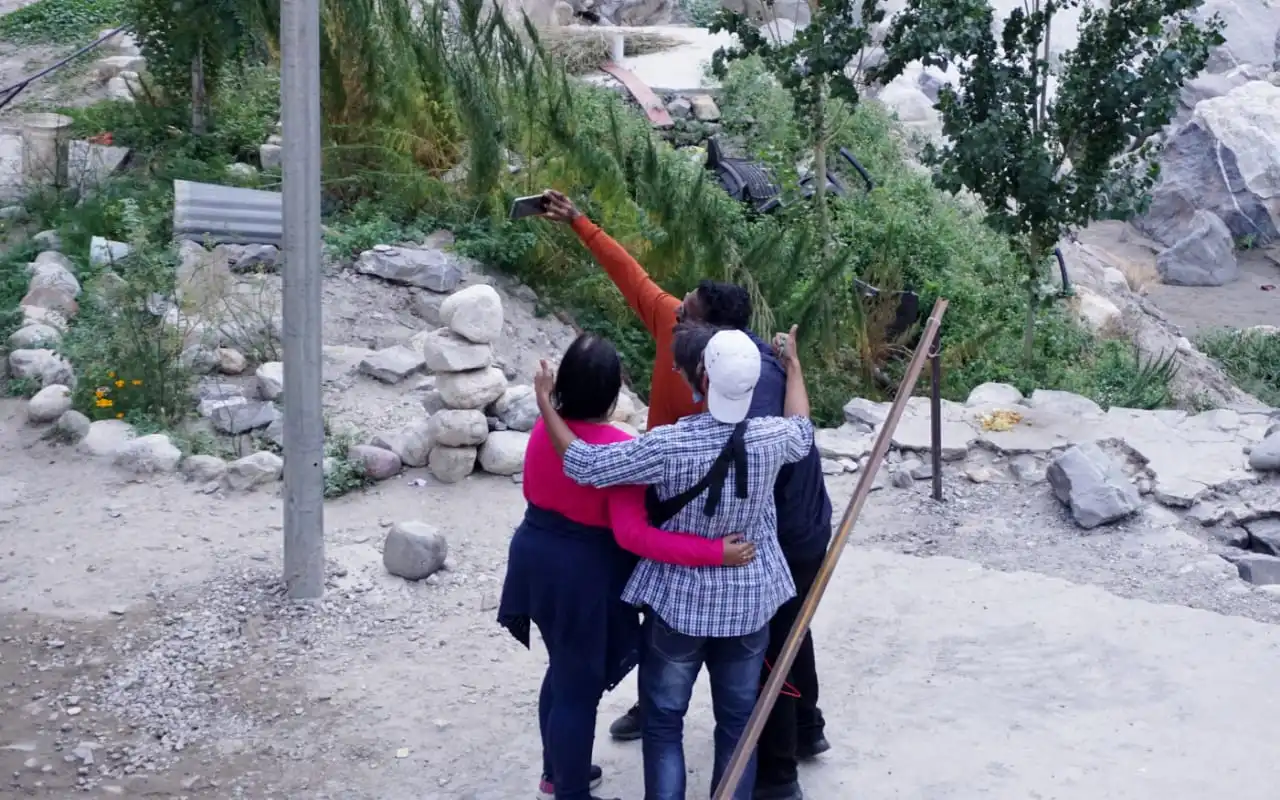
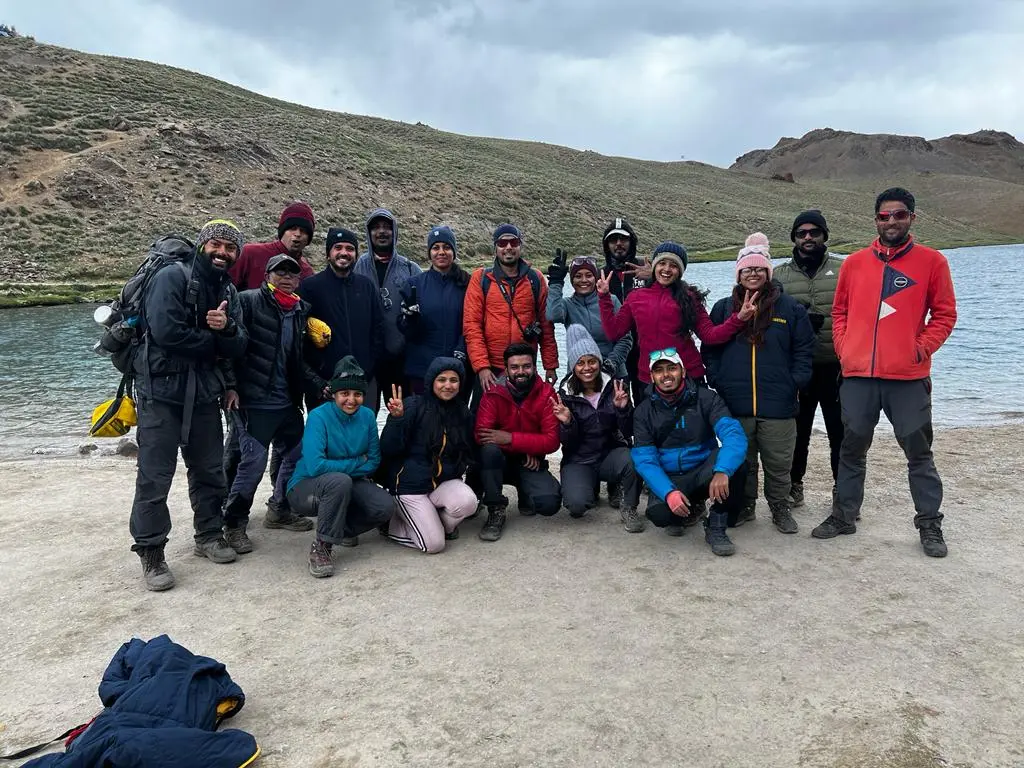
Real moments from the winter road: snow, monasteries, frozen landscapes.
Join the waitlist
View all journeys · Join waitlist
Related reading: the case for travelling more slowly.
Itinerary
- Day 0: Overnight Travel | Delhi to the Himalayan Gateway
- Day 1: Ancient Temple Visit | Sarahan Heritage & Snow-Dusted Orchards
- Day 2: Riverside Village Walk | White Plains of Chitkul & Sangla Valley
- Day 3: Frozen Lake Sightseeing | Nako Village & The Khab River Confluence
- Day 4: Ancient Monastery Tour | The 1000-Year-Old Mud Walls of Tabo
- Day 5: Cliffside Monastery Views | Dhankar Village & The Arrival to Kaza
- Day 6: Highest Village Road Journey | Hikkim, Komic, and Langza Fossil Walk
- Day 7: Cafe Culture & Local Life | Kaza's Winter Soul & Slow Living
- Day 8: Iconic Landmark Sightseeing | Key Monastery, Chicham Bridge & Return to Jhakri
- Day 9: High-Altitude Descent | Full Return Journey from Jhakri via Shimla
- Day 10: Early Morning Arrival | Seamless Return to Delhi
Winter Spiti Valley: FAQs
How cold does it actually get during a Winter Spiti journey?
Winter nights in Spiti drop to -20°C, and colder valleys like Kaza can touch -30°C. Days are milder, often just below freezing in the sun. Our homestays run traditional Bukhari wood stoves with layered blankets, and we send every traveller a winter packing guide before departure so you arrive with the right gear.
Is it safe to travel to Spiti in the winter?
Yes, winter travel to Spiti is safe with the right preparation, and thousands do it each season. The risks are cold, altitude, and icy roads, all of which we plan around. We use experienced local drivers and vehicles fitted for snow and black ice, monitor weather daily, and keep itineraries flexible so we never push into unsafe conditions.
Will we see Snow Leopards on this journey?
Possibly, though this is not a dedicated snow leopard expedition. Winter is the best season to spot them, as they descend to lower altitudes around Kibber and Chicham to hunt. Sightings are never guaranteed, but bring binoculars, because this is when the "grey ghost of the mountains" is most active.
What is the toilet situation in Spiti during winter?
Most winter homestays use dry eco-toilets, because water pipes freeze at these temperatures. It is basic but clean, and it is part of travelling responsibly in a high-altitude desert where water is scarce. We show you how everything works when you arrive, so there are no surprises.
Do I need special gear for a White Kaza expedition?
Yes. You will need proper winter gear: a down jacket rated to -20°C, thermal base layers, waterproof insulated boots, gloves, and woollens. If you do not own cold-weather kit, tell us in advance and we will help you rent or source it before the trip.
Why is the Shimla to Kaza route the only way into Spiti in winter?
Because the Manali route is closed. Rohtang Pass and Kunzum Pass are buried in snow through winter, so the Hindustan-Tibet Road via Shimla becomes the only all-weather road into Spiti. It also climbs more gradually, which gives your body time to acclimatise to the thin air before you reach Kaza.
What is the best time for a winter trip to Spiti Valley?
Late December to February is peak winter in Spiti, with the deepest snow, the clearest frozen landscapes, and the best snow leopard spotting odds. November and March are shoulder-winter: cold but slightly more forgiving, and good if it is your first high-altitude winter trip. Our winter journeys run November through March.