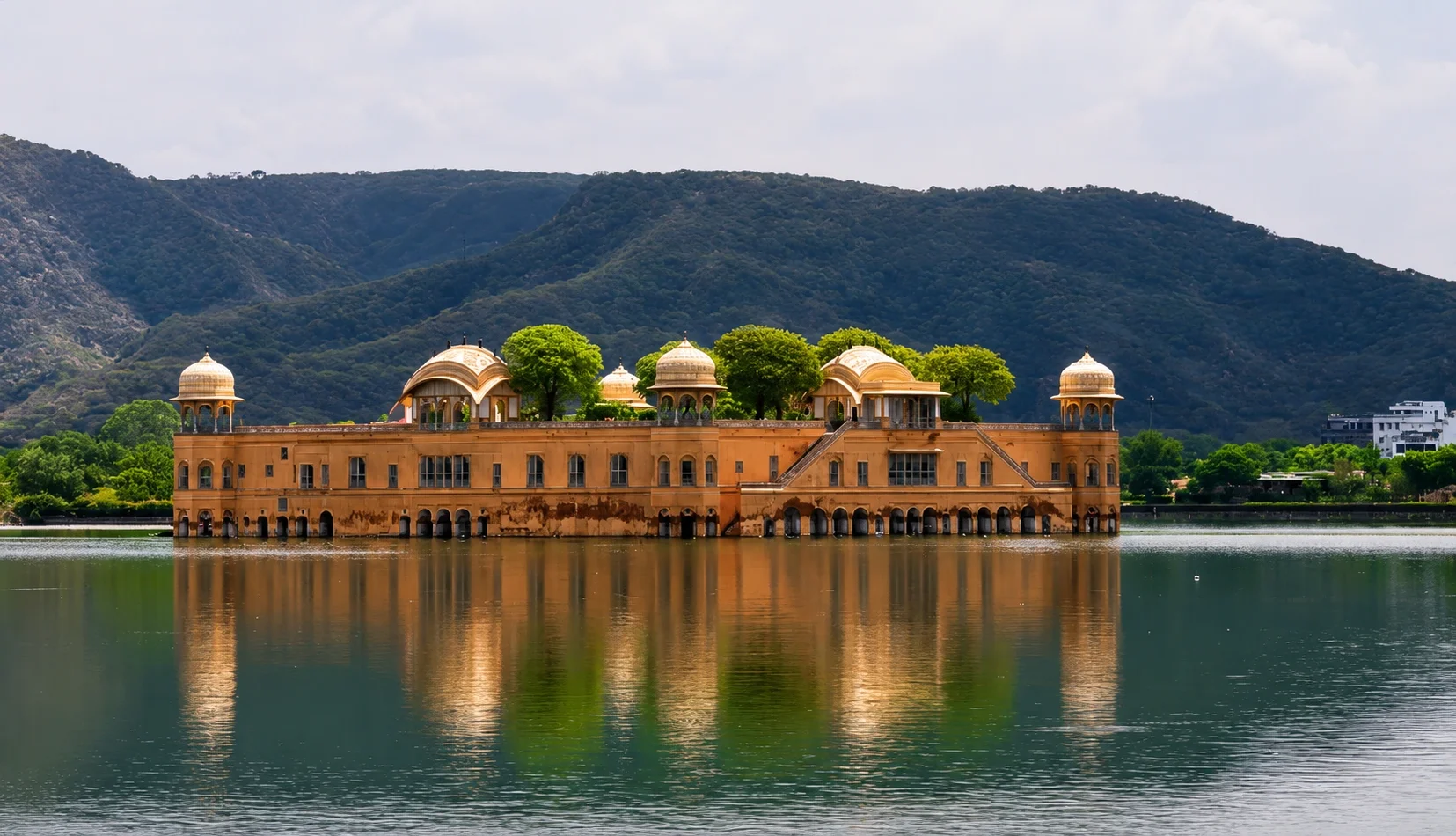
I’ve been to Jaipur twice.
The first time, I had a plan. Four days, six places, hundreds of photos. I came back and someone asked what Jaipur was like. I said, “It’s beautiful. All pink.” That was all I had.
The second time, I had no plan. I ended up sitting at a small dhaba with a local named Shyam. We had chai and talked for two hours. He told me about the city before it became a tourist spot. I told him about my family. At one point he laughed at something I said (I forget what), and for a moment, we weren’t strangers anymore.
I can’t remember what I saw on that second trip. But I remember exactly how it felt to be there.
That’s the difference.
Most of Us Come Home With Photos and Not Much Else
When you’re covering seven cities in ten days, your brain is always in “what’s next?” mode. You take a photo and move on. You were there, but you didn’t really arrive.
It isn’t because we didn’t try. It is because the kind of trip most of us take makes it hard to really be somewhere.
What stayed with me from Jaipur wasn’t the forts or the photographs. It was the people. A chai stall owner insisted I sit for another cup. Shyam spoke to me like we had known each other for years. That was when I understood why people say Atithi Devo Bhava. It is not something written on a wall. You feel it in small moments.
What Actually Sticks With You
Think about your best travel memory. I would guess it wasn’t a famous monument. It was probably a moment. A conversation. Getting lost and finding something better. A meal that took too long and felt just right.
That isn’t an accident. Our brains don’t save everything we see. They save how things made us feel, and strong feelings often come from moments we didn’t plan.
When your day is packed with a schedule, there is no room for those moments. You are too busy ticking things off. Slow travel creates that room.
A Morning in the Hills Beyond Shimla
A few months later, I found myself in Himachal.
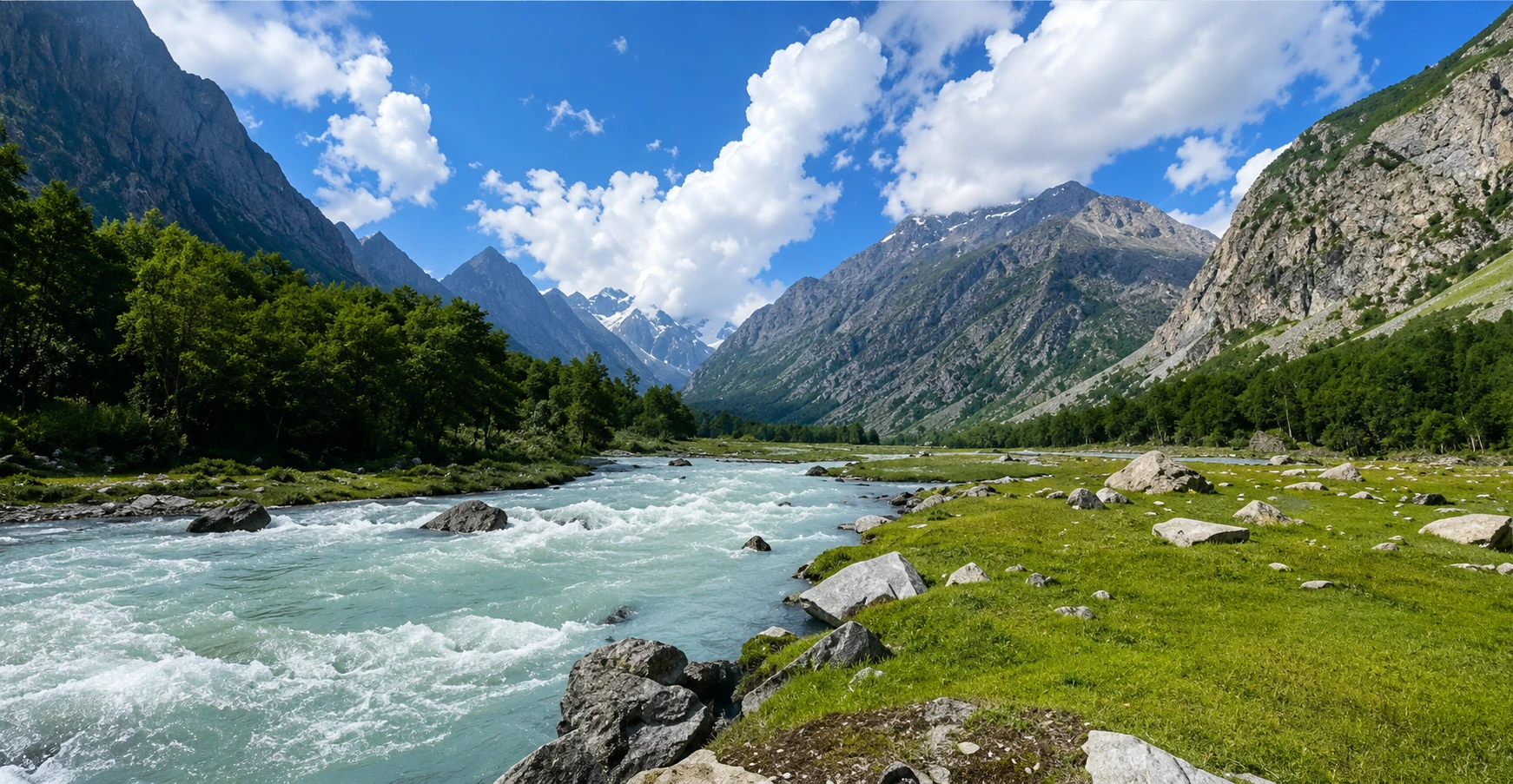
Jaipur had been loud and busy. Kotkhai felt completely different. There were no crowds and no pressure to rush from one place to another. Just mountain roads, apple orchards, and long, quiet mornings.
One morning I woke early and followed the sound of bells down a stone path. It was a shepherd taking his cattle out to graze. We walked together and he told me about the Lankra Veer temple. I don’t remember every detail of that conversation, but I still remember how peaceful that morning felt.
Most mornings began with a cup of tea and a walk down to the river. Nothing special was planned, but those quiet hours became some of my favourite memories from the trip.
What made it special was time. I stayed for two days in that village, long enough to notice how the mornings felt different from the evenings. On a standard Himachal itinerary, I might have seen it and moved on. I would have looked at it, but I would not have felt it.
Maybe that is why I still remember those two days so clearly. Nothing extraordinary happened. I just had enough time to notice things.
Who You Travel With Matters More Than Where You Go
Here is something people do not talk about enough: the people you travel with matter more than most of us realise.
When you are with twenty people, you are usually rushing, waiting for someone, or trying to fit into everyone’s plans. There is very little room to slow down and do things at your own pace.
Small groups are different. Real small groups, not “small” the way tour companies sometimes use the word. When there are only a handful of you, things get easier. You can say you want to skip something. You can sit quietly without feeling strange about it.
We have seen this happen many times at Komorebi. People who meet on day one often leave feeling like old friends. Not because anyone planned it, but because slow days together create space for conversations that would not happen otherwise.
You cannot rush that. It needs small numbers and slow days.
Seeing More Is Not the Same as Understanding More
This is the hard truth about busy itineraries: they are built for coverage, not understanding.
You can go to six cities in Rajasthan and come home knowing almost nothing about any of them. Or you can spend five days in one small corner of the Himalaya and carry it with you for years.
Seeing more is easy. Understanding takes time.
Before you book your next trip, ask a different question. Not “How much can I cover?” but “Will I actually have time to enjoy this place?”
What Do I Want to Bring Back?
If all you want is good photographs and a list of places, that is perfectly fine.
But if you want memories you will still talk about years later, slow down a little.
Stay longer. Talk to people. Leave space in the itinerary. Sometimes the best part of a trip is the part you never planned.
That is why we love slow travel at Komorebi: small groups, fewer places, and enough time to actually experience them.
Komorebi runs small-group, slow journeys to quiet corners of India that most itineraries skip.
See how this approach shapes our small-group Ziro Valley journey.