
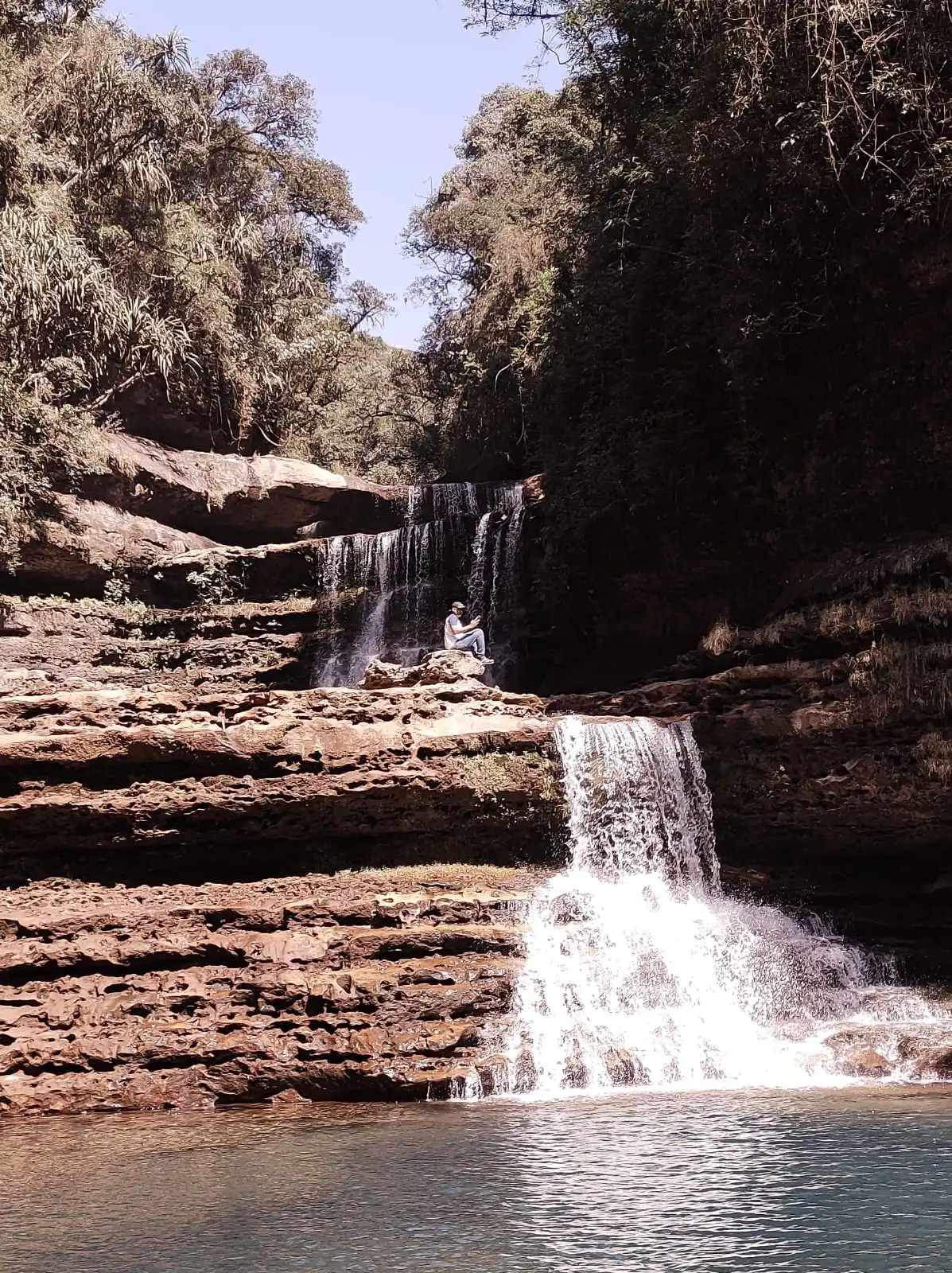
If the only story you carry home from Meghalaya is a photograph on the Double Decker Living Root Bridge, you have seen the cover and missed the book.
The bridge is worth seeing. Grown over generations by the Khasi communities of the East Khasi Hills, it is living evidence of what patience and intention can build. Remarkable is not too strong a word for it. But it is one sentence in a story that runs very long, and the rest of that story does not turn up in a photograph.
Meghalaya asks something different of the people who come here. It asks for time. It asks for slowness. It asks, more than most places do, that you actually listen.
The Mistake Most Travellers Make
Land in Shillong. Rush to the bridge. Rush to Cherrapunji. Rush to Mawlynnong for the cleanest village photograph. Take the photos. Leave.
Three days. Four districts. Zero depth.
It is not a lack of intention that produces this itinerary. Most people who arrive in Meghalaya arrive genuinely curious. The problem is pace. You cannot understand a place you only pass through. And Meghalaya, more than most places, does not reveal itself to people in a hurry. It simply waits, unhurried itself, while hurried visitors collect its surface and move on.
What they carry home is accurate but incomplete, the way a single sentence from a long conversation is accurate but incomplete. The meaning is in what surrounds it.
What You Find When You Slow Down
Meghalaya is the sound of rain in Cherrapunji that registers less like weather and more like a presence. One of the wettest places on earth, the rain here has a weight and a frequency that changes the atmosphere of a day entirely. The traveller who resists it, who waits it out in a guesthouse hoping for the sun to return, misses the point. The traveller who lets it rearrange the plan finds something better than the plan.
It is the conversations in Mawlynnong that go far beyond the village's reputation for cleanliness. That title brought the visitors. But the village was doing its own thing long before the recognition arrived, and that thing is more interesting than the award. Stay for a meal. Stay for the evening. Let the conversation go where it goes.
It is evenings in small homestays where the stories shared over dinner are the stories that stay with you longest. Not because they are dramatic, but because they are specific. They belong to this place, this family, this particular version of Khasi life that you would not find anywhere else and would not have found here if you had been in a hurry.
It is the fog at Laitlum Canyon arriving without announcement and changing everything about what you thought the morning would be. This is not an inconvenience. It is the place being itself, and being patient enough to let it be itself is most of what slow travel actually means.
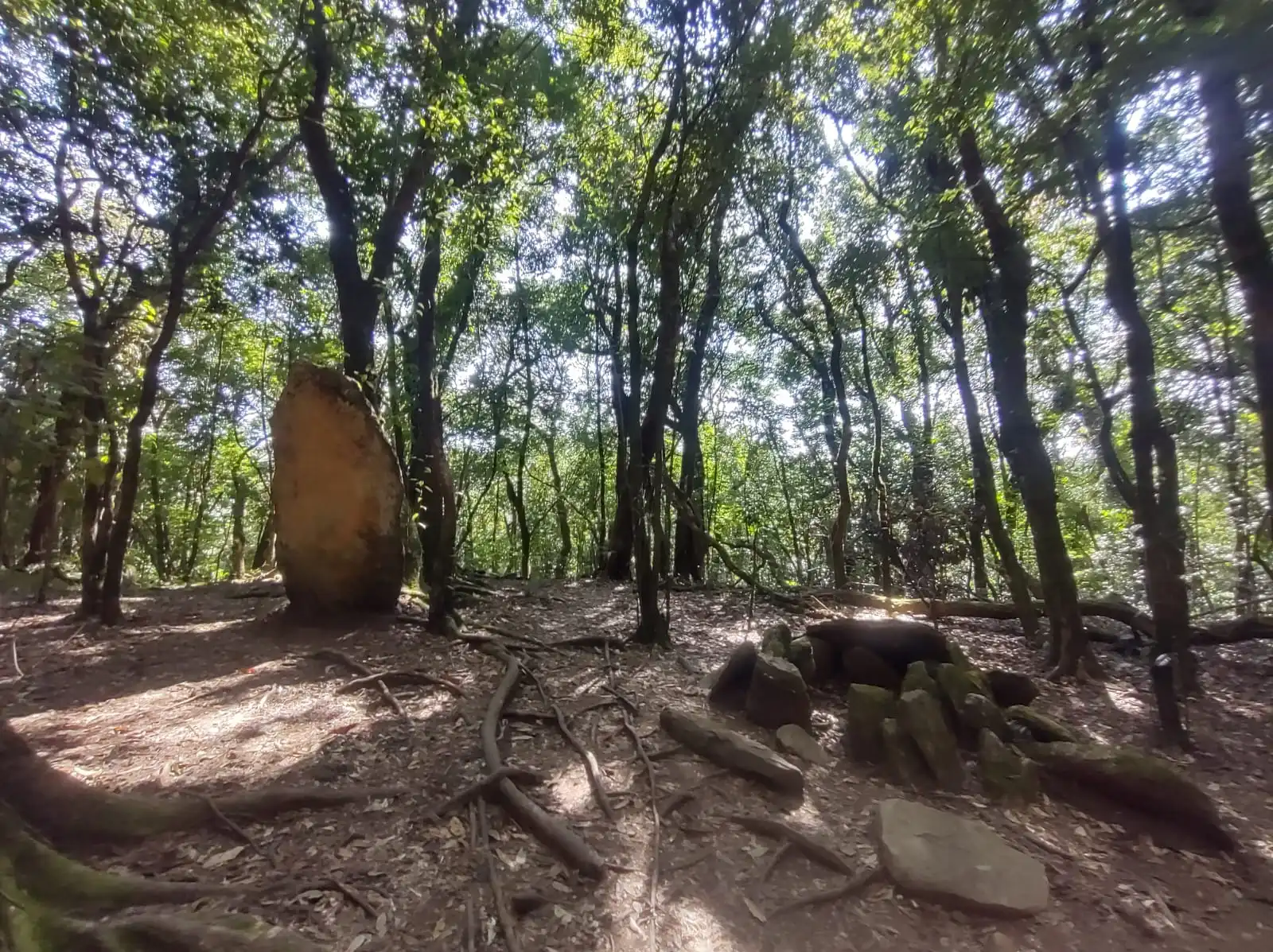
On the Khasi Matrilineal Tradition
Meghalaya is one of the few matrilineal societies in the world, and the Khasi communities of these hills have maintained this tradition with a quiet continuity that is worth understanding properly rather than treating as a curiosity.
Property passes through the female line. The youngest daughter inherits the family home. Women hold the economic and domestic anchors of family life. Men in Khasi society occupy a different kind of role than the one most of India recognises as the default.
This is not a historical footnote. It is the architecture of daily life here, and it shows in the way communities are organised, in the way women move through public space, in the particular confidence of the culture as a whole. Arriving with some knowledge of this, and with genuine respect for it rather than anthropological curiosity, changes the quality of every interaction.
The Khasi sacred forests, including the community-protected groves of Mawphlung, exist in part because this society has a different relationship with stewardship than most. The forest is not a resource to be managed. It is something closer to a relative. Spending time in it, slowly and quietly, is its own education.
Luxury, Redefined
In Meghalaya, luxury has nothing to do with the accommodation category.
It is the unhurried morning. The waterfall that you sit beside long enough to stop photographing and simply watch. The rain that arrives halfway through the afternoon and makes its own decision about what the rest of the day will look like, and the willingness to let it.
The most comfortable thing you can bring to Meghalaya is a loose grip on your itinerary. The schedule that accommodates the unexpected is the one that tends to produce the most interesting days. Some of the most memorable hours happen in the margins, in the tea stall conversation that went long, the road that led somewhere unplanned, the evening that became something else entirely.
These things require time, and they require the willingness to spend it without accounting for every hour.
Two Years Here
I did not plan to love Meghalaya the way I did.
I spent two years in this state, and they gave me a particular kind of freedom that I had not expected to find here. The freedom to move without agenda. To exist without performing. To belong, gradually and genuinely, to a place I had arrived at as a stranger.
Mornings in Laitumkhrah, cafe-hopping through the particular Shillong version of a morning routine, momos near Beat House, the secondhand stores that rewarded looking slowly. Forests in the East Khasi Hills that were so quiet they felt like a different register of silence than anything I had encountered before. The way the fog sits differently on this landscape than on any other I had known.
Meghalaya held all of it without asking me to be anything other than present. That is what the place does. It welcomes you, genuinely and without fanfare, even when you arrive as someone who does not yet understand it.
The welcome is earned, not given. You earn it by arriving without demands and leaving without having taken more than was offered.
Why Komorebi Takes People Here
Bringing people to Meghalaya is not something we treat lightly.
This place gave a great deal to those of us who spent serious time here. The only way to honour that is to take people here the right way: slowly, with respect for the communities being visited, and with enough time for the state to register as more than a sequence of viewpoints.
We want our travellers to eat what is seasonal, walk without a fixed destination, and let the place set the pace rather than imposing one on it. To ask questions without entitlement. To leave having understood something rather than having photographed it.
The Khasi heartlands, the sacred forests, the borderland villages where the culture does not fit neatly into any single national category, these are not destinations to be ticked. They are experiences to be received. And receiving them well requires a quality of attention that fast travel simply does not allow.
Practical Details
Frequently Asked Questions
Is Meghalaya suitable for slow travel?
It is one of the most naturally slow travel destinations in Northeast India. The landscape, the culture, and the pace of daily life in the Khasi Hills all resist the hurried itinerary. Travellers who arrive with flexibility tend to find the state far more rewarding than those who arrive with a fixed list.
What is the ideal duration for a Meghalaya journey?
Eight to ten days allows meaningful time in the East Khasi Hills without the sense of constantly moving on. Less than a week tends to produce the surface experience rather than the deeper one. The state has more interior than its geography suggests.
Is Meghalaya crowded?
Shillong and the Double Decker Root Bridge attract significant visitor numbers, particularly during the dry season. The Komorebi circuit moves through the quieter parts of the Khasi Hills: Mawphlung, Nongjrong, the borderland villages, and the less-visited canyon landscapes. These remain genuinely quiet.
Are there homestays and community stays in Meghalaya?
The accommodation on Komorebi's Meghalaya circuit is entirely community-run homestays and small family-hosted properties. There are no hotels in the conventional sense on the route, which is the point.
Is Meghalaya suitable for solo women travellers?
Meghalaya's matrilineal social structure makes it one of the more naturally comfortable states in India for women travelling alone. Women hold significant social authority in Khasi communities, and the atmosphere in most of the places Komorebi visits reflects that. It is a notably different experience from many other parts of India.
What should I know about Khasi culture before visiting?
The matrilineal tradition, in which inheritance and family identity pass through the female line, is the most significant cultural context for understanding daily life here. Beyond that: the sacred forests are protected by community covenant, not by the state, and should be treated accordingly. Ask before photographing people. Eat what is local and seasonal. Arrive as a guest and behave like one.
The Komorebi Perspective
Komorebi approaches Meghalaya as a living landscape with its own interior life, most of which is not visible on a standard itinerary.
The circuit we have designed here moves through the Khasi Hills at a pace that allows the fog, the forest, the community, and the conversation to actually register. The accommodation is chosen for its connection to the place rather than its amenities. The local hosts are people whose relationship with this land runs deep, not guides who have learned a script about it.
We take small groups here, deliberately and slowly, because Meghalaya is one of those places where the difference between passing through and actually arriving is entirely a matter of pace.
Meghalaya is not a destination to be covered. It is an experience to be received. The difference between the two is the pace at which you arrive.
Komorebi is a slow-travel design studio running small group road journeys across India. The Meghalaya circuit moves through the Khasi heartlands with a maximum of 10 travellers and a dedicated Journey Host.